Our Traditions

Our Traditions

Home /The town / Our Traditions

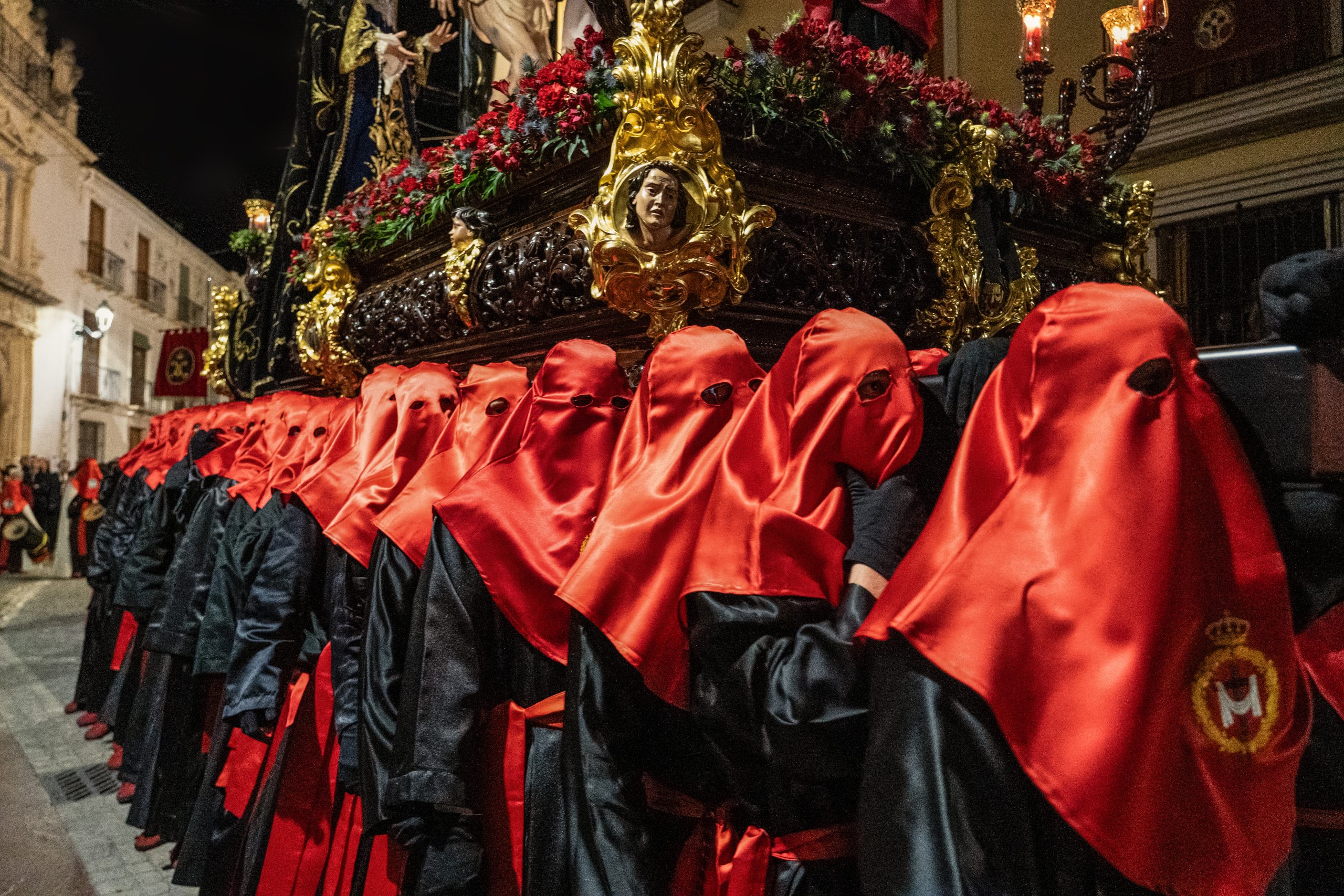
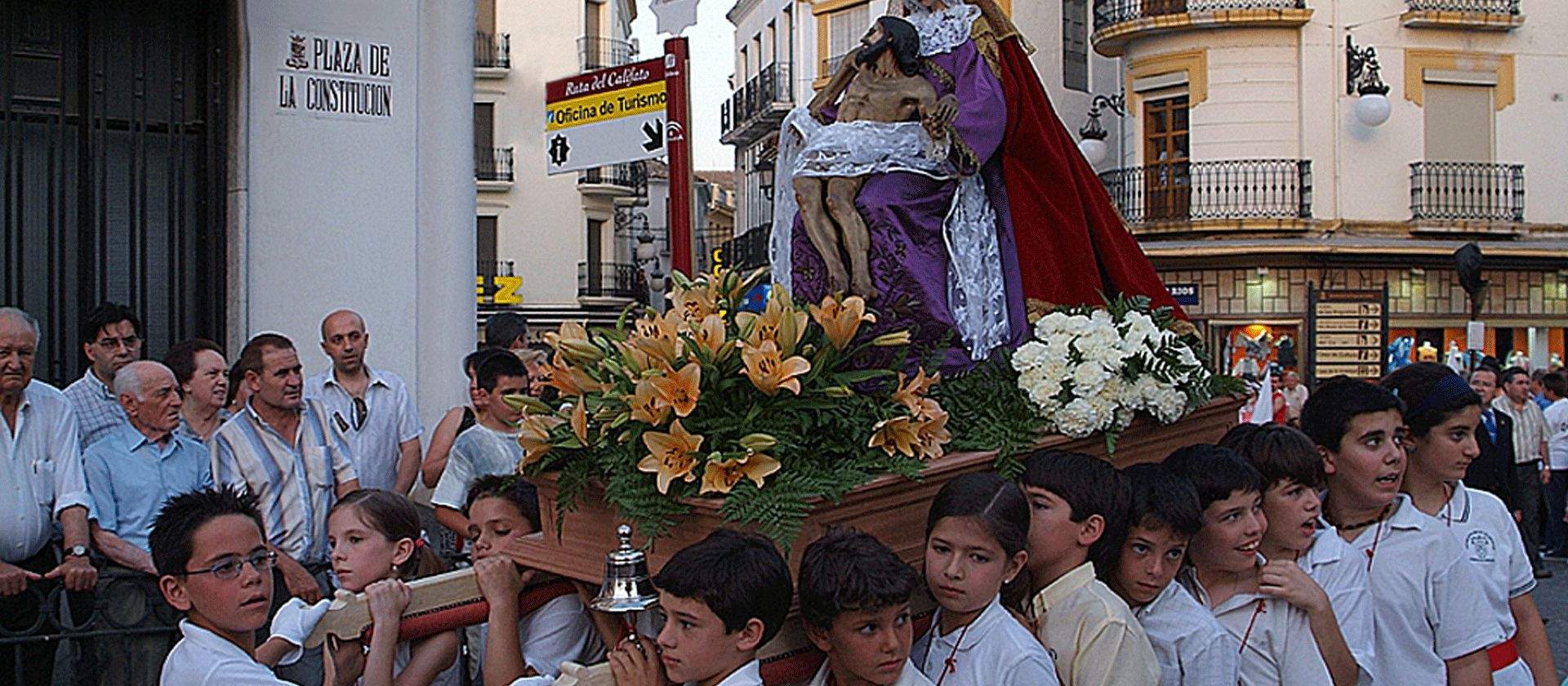
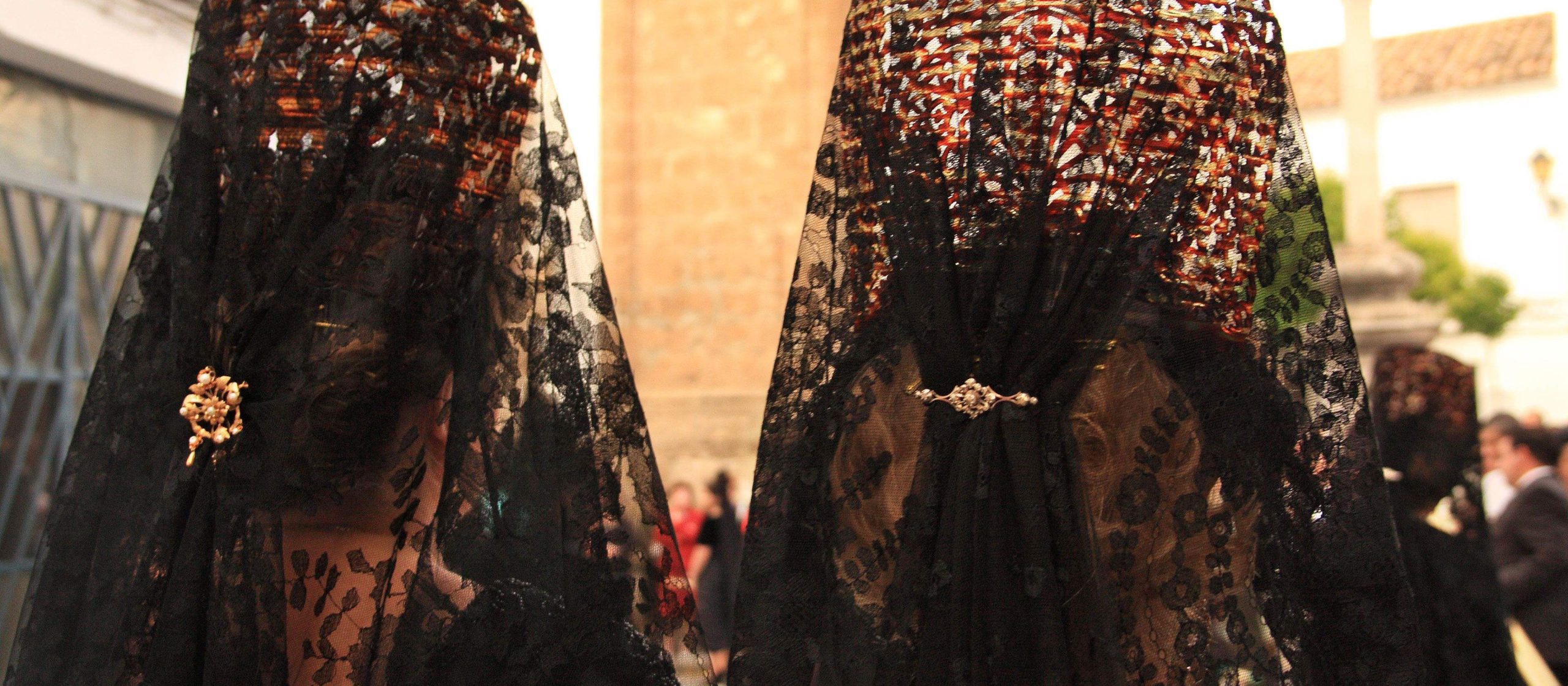
Easter Week in Priego is characterized by the solemnity and the religious fervour of its celebrations. The different brotherhoods painstakingly prepare their processions to ensure a high degree of uniformity, with every last detail being attended to with diligence and enthusiasm. The silence and devotion of Priego’s “penitents” seem to project their deepest, most intimate feelings, and are only interrupted in the collective overflowing of emotions which follows their meeting with Jesus Nazareno.

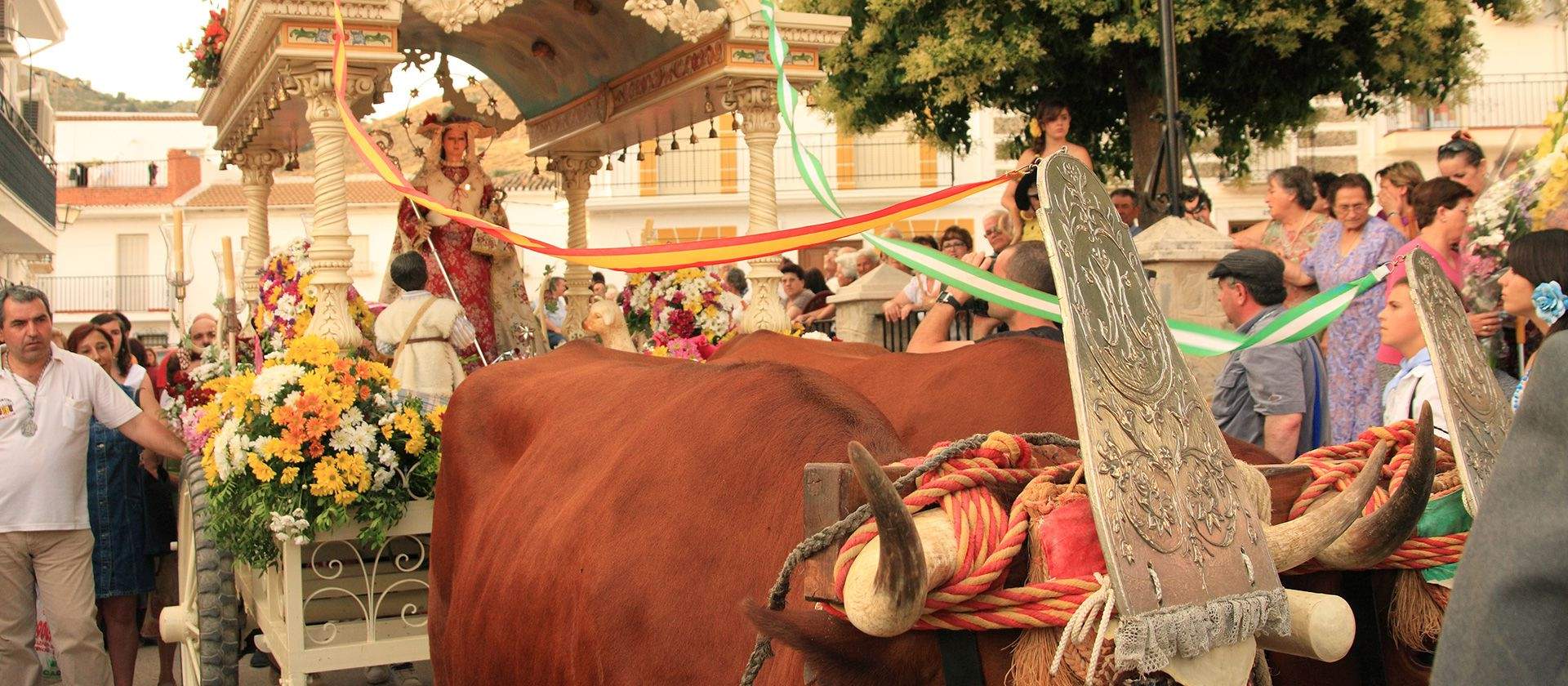
Every Sunday in May, colourful processions take place and traditional “rifas” of presents are carried out amid great excitement. 

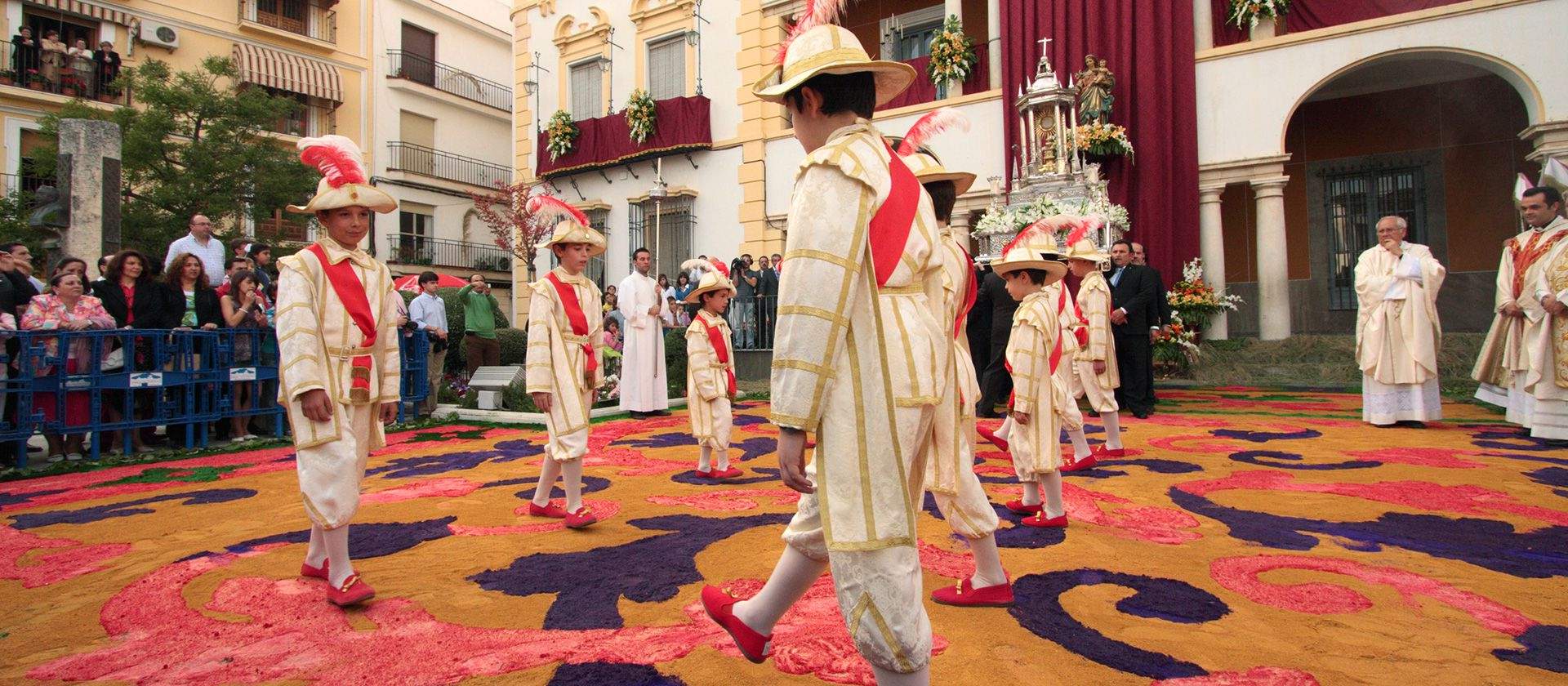
During Corpus Christi the Barrio de la Villa, neighbourhood is whitewashed and decorated with flowers and is the location for a beautiful procession which winds its ways through the sinuous streets.

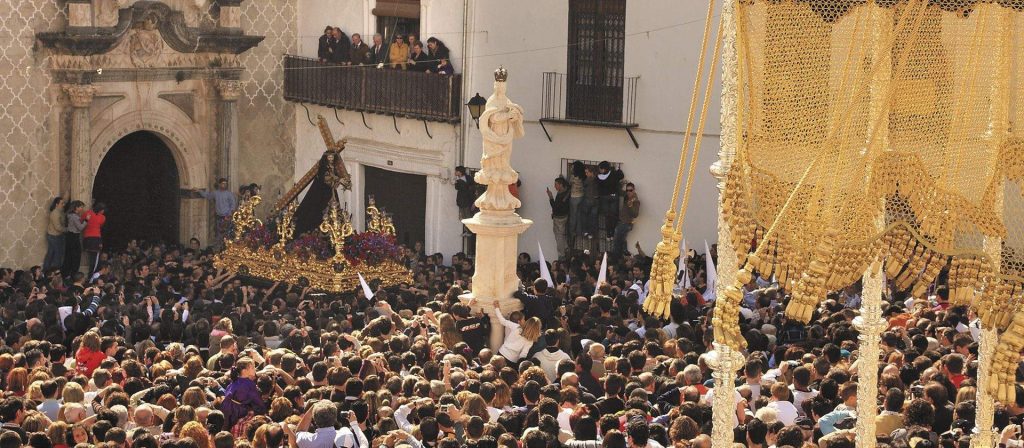
Priego de Córdoba is passionate about its Easter week celebrations, with the whole town coming out into the streets to accompany the magnificent thrones (pasos), with their extraordinary carvings, in a manifestation of devotion and emotion. The solemnity of the various religious brotherhoods from Easter Sunday onwards contrasts with the explosion of popular devotion on Good Friday, when an overwhelming number of people try to help carry a throne with a statute of Jesus “el Nazareno” up the Calvario hill, where the image blesses the thousands of humble, symbolic hornazos (a local pie) carried by the faithful.


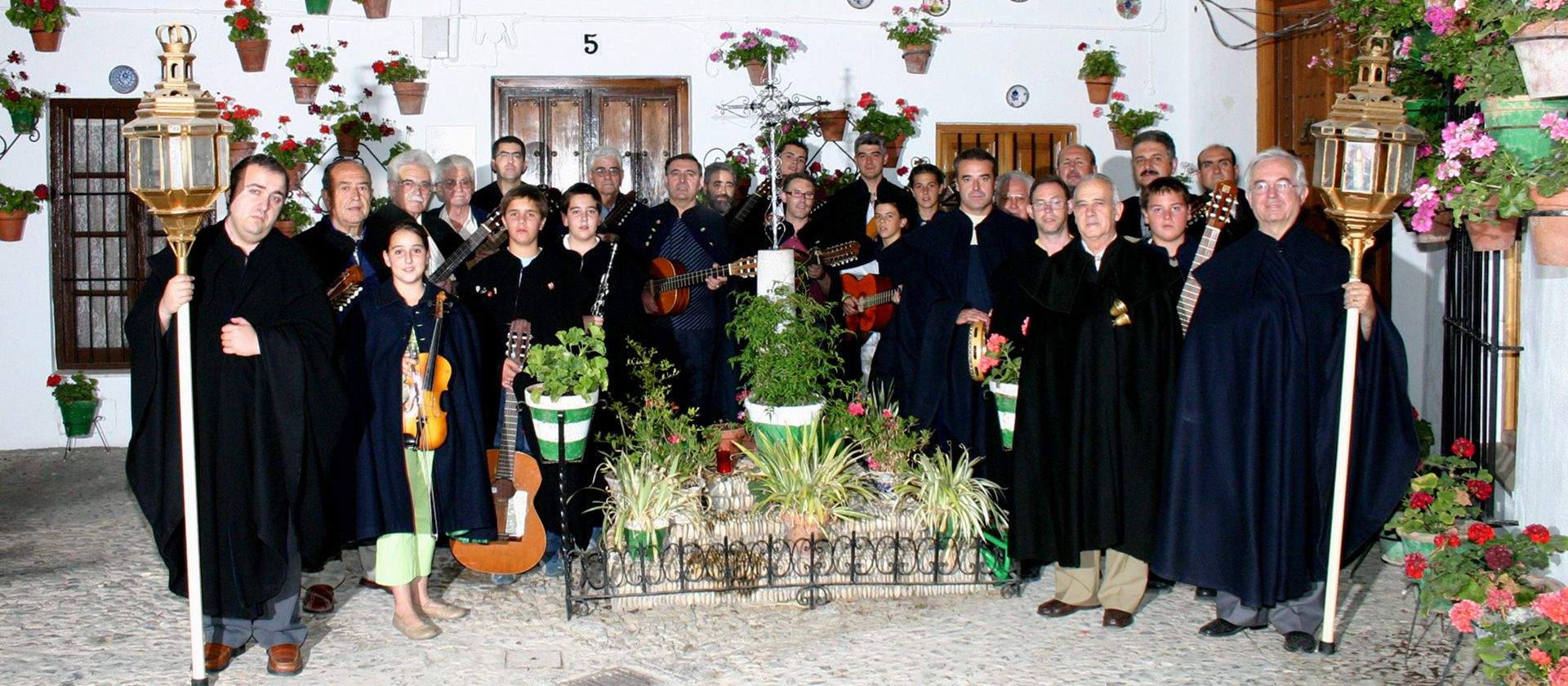
In the Church of the Aurora, a singular tradition is found; The Brotherhood of the Aurora, whose foundation dates from the 16th century and which, every Saturday night, goes round the streets and squares singing on ancient folk songs. They celebrate their festivals during the second week of September.

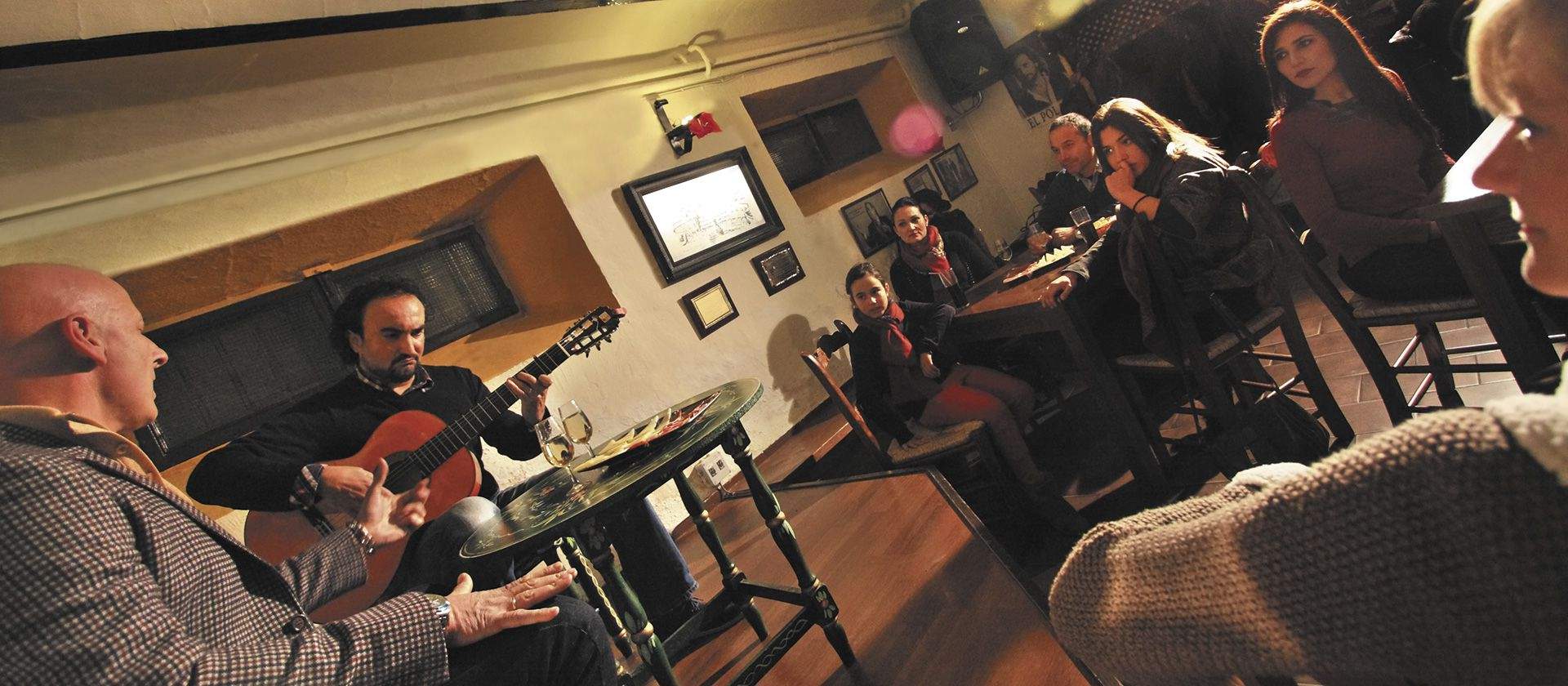
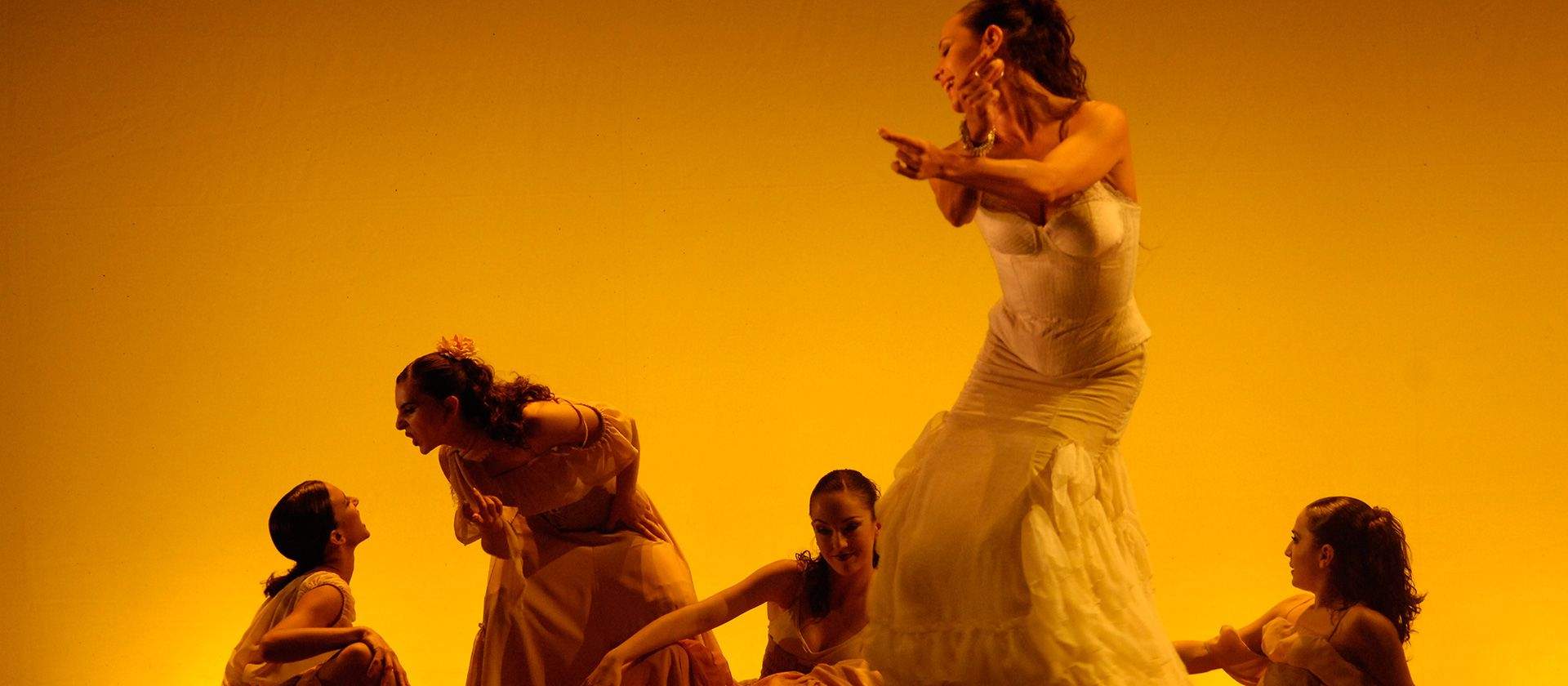
The art of flamenco singing is kept alive through its official club (Peña).

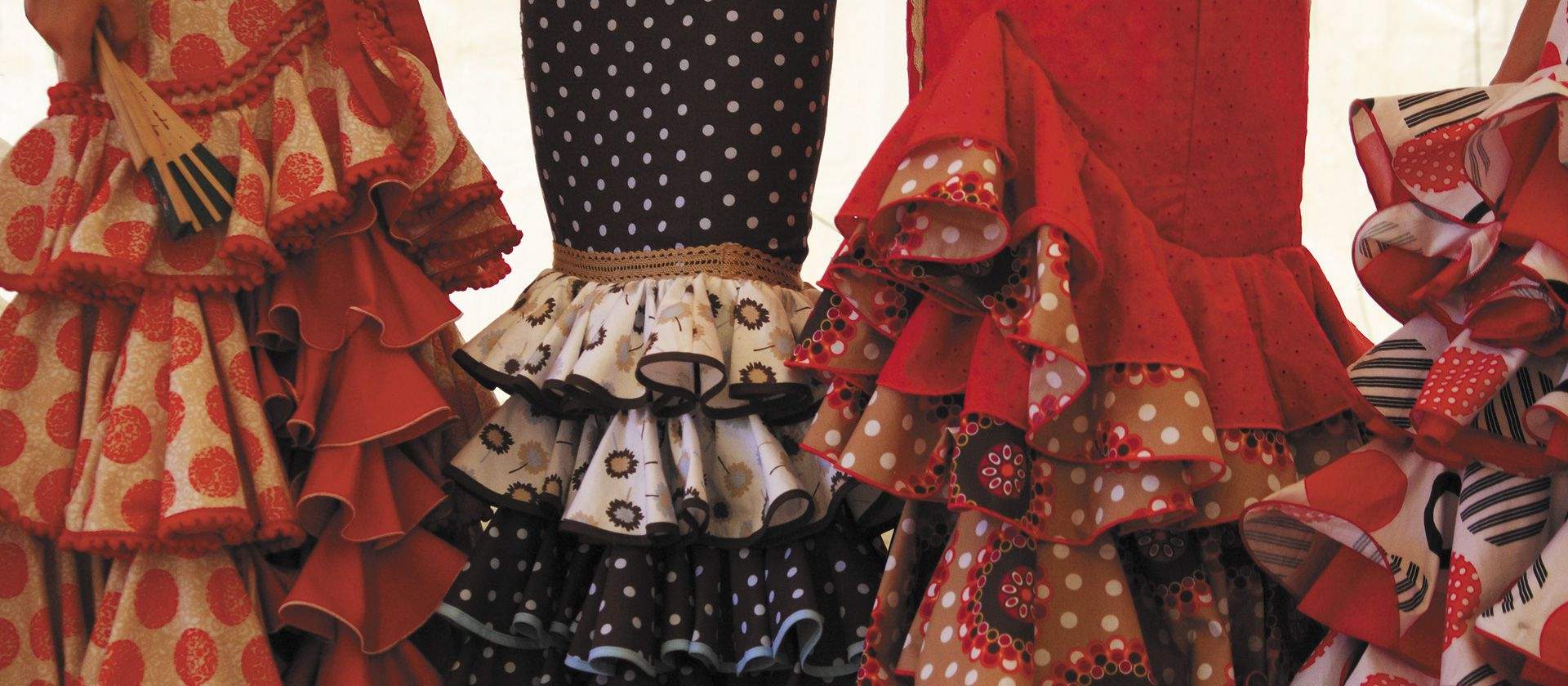
The Annual Fair held from 1 to 5 September in a colourful marquee is the town’s time for revelry and entertainment.

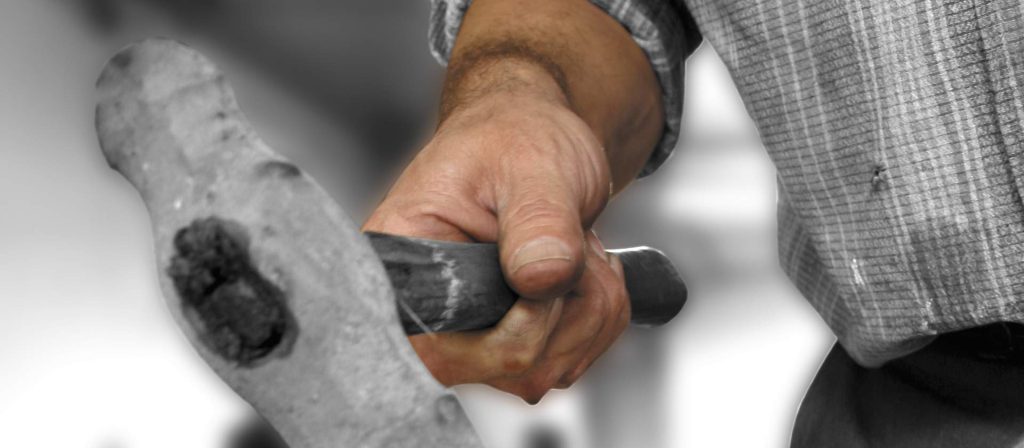
There are a large number of highly skilled artisans in the town who have come together under the banner Priego Artesanal and have created the Artisan Trail, which enables visitors to discover some of the workshops where unique pieces are created.

Our Celebrations

Easter Week

More Information

Learn more

Pilgrimage

More Information

Learn more

Children's Processions

More Information

Learn more

The Fair

More Information

Learn more

Sundays on May

More Information

Learn more

La Candelaria

More Information

Learn more

Corpus Christi

More Information

Learn more

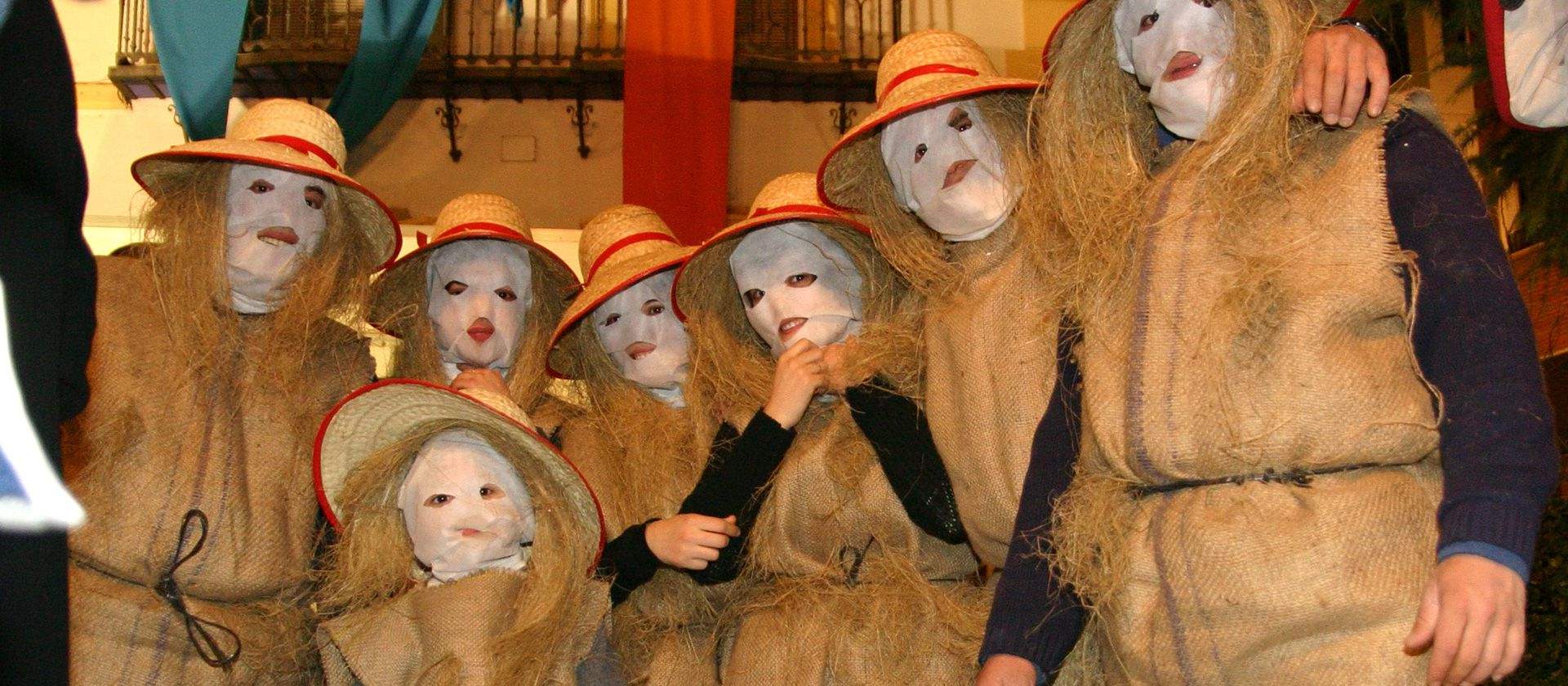
Carnival

More Information

Learn more

Our Traditions

Flamenco

More Information

Learn more

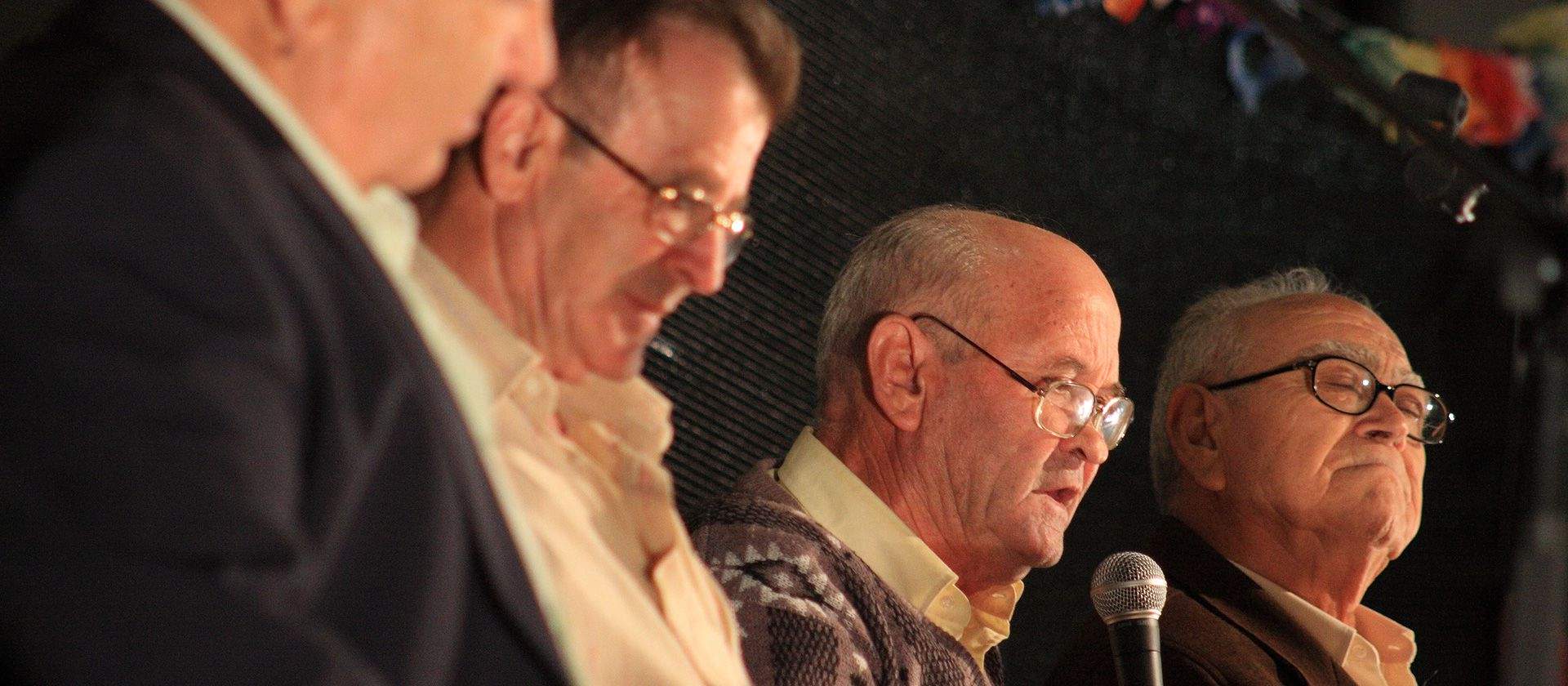
Trovos

More Information

Learn more

Aurora Brotherhood

More Information

Learn more

Festivals

More Information

Learn more

Our Handcraft

In Priego there are many local artisans that preserve this handcrafted work which dates back many centuries. This kind of work is an art made with the hands, which many people made it in the past but at present this work have dissapeared in many villages.

Nevertheless, nowadays in Priego there are people work in the art of carving, imagery, gilding, cabinetmaking and forging.

In the 17th – 18th centuries the population was enriched thanks to the textile industry, the trade of the silk and the alcantarinos monk settlement. For these reasons, the number of masters of Baroque increased and they made many artistic pieces in Priego. This situation contributed to the creation of workshops in order to the learning of these professions of which knowledge is still present in our society.

For this reason, the carving realised in Priego is the baroque style similar to the style of Granada because it follows the models of objets, altars, furnitures and cornucopias which are preserved in houses and churches of this locality.

The carving and the forging are the basic pillars of this handicraft. There are artisan workshops of which works of restoration, furnitures, religious carvings and gildings are famed throughout Andalucía and the rest of the Peninsula.

You can admire the mastery in the wrought ironwork of the balconies and windows which decorate our streets.

There are other crafts that can still be seen, although they are becoming gradually more scarce, such as weaving on the wooden looms know as gobiernos. All these crafts are resulted from the important textile industry that was present during the 19th century in Priego de Córdoba.

These wooden looms have different colours and forms used for bedspreads, blankets, curtains, etc.

The women of this region continue with the tradition of embroidery, crochet and lacemaking. In rural areas, the tradition of agricultural and household creating with produce such as esparto, with which they make panniers for mules, baskets and ropes made with horsehairs. Nevertheless, there is no doubt that the strangest and most interesting activity is the weaving with spelt whealt, which is a cereal ideal for weaving.

The continuation of this ethnographic knowledge have allowed for organising exhibitions, which are exposed in the History and Archaeology Museum.

José Mª Ábalos Chumilla

José Ballesteros López

Rafael Toro Antúnez

Barea y Camacho Tapiceros

Your opinion matters

Can you help us improve?

Please fill in our survey!