This unique and lovely space is declared UNESCO Global Geopark with the recognition of Special Area of Conservation (SAC) and the Birds Directive or Special Protection Areas (SPA), which both of them form a network called Natura 2000.
The Mycological Garden is divided in 8 areas, where the most representative ecosystems of Andalusia have been recreated, such as: pine forest, cork, oak, pastureland and riverside forest, among others.
The Mycological Garden is divided in 8 areas, where the most representative ecosystems of Andalusia have been recreated, such as: pine forest, cork, oak, pastureland and riverside forest, among others.
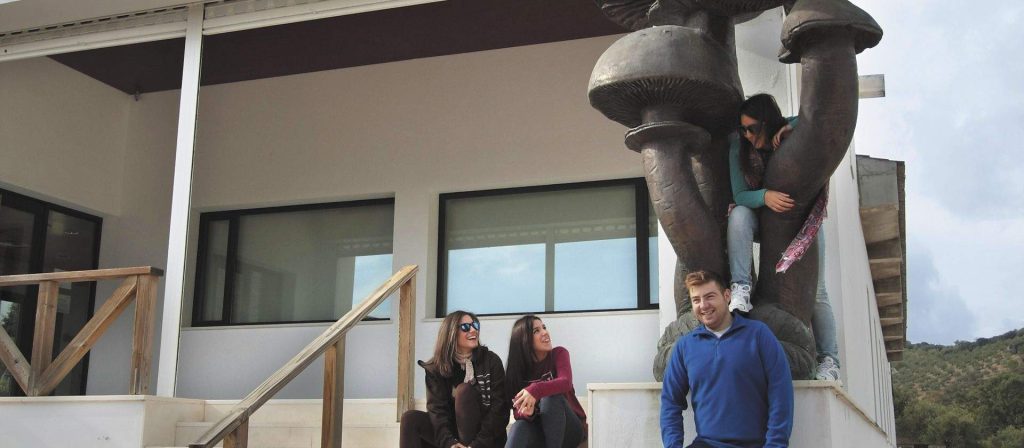
Visiting this museum, you can learn about a part of the flora, vegetation and fungi of this region. There are endangered flora species, common species of the principal vegetations in Andalusia and crops, such as chesnut groves or nut trees. Besides, there is a exhibition of wild Andalusian fungi such as mushrooms, blue foot, Jew’s ear, shaggy ink caps, differents Boletus. All these species of fungi are the proof of the symbiosis among plants, mushrooms and lifestyle of saprophytes and parasites. To sum up, it is a regional exhibiton of fungi in Andalusia, one of the European regions having a great variety of fungi.
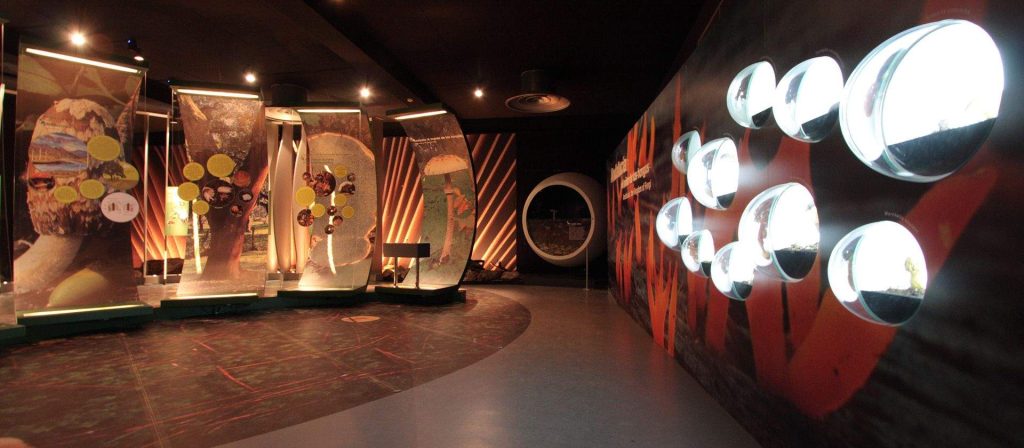
After walking by the garden, do not forget to visit two exhibition rooms and an interactive gallery with panels and interactive elements in which you can learn about fungi of this region, its lyfestyle, its importance in the harmony of the ecosystems, relationships between fungi and people and the basis for the study of its characteristics, besides of basic advices for good practices of compilation and diverses informations of this kingdom.