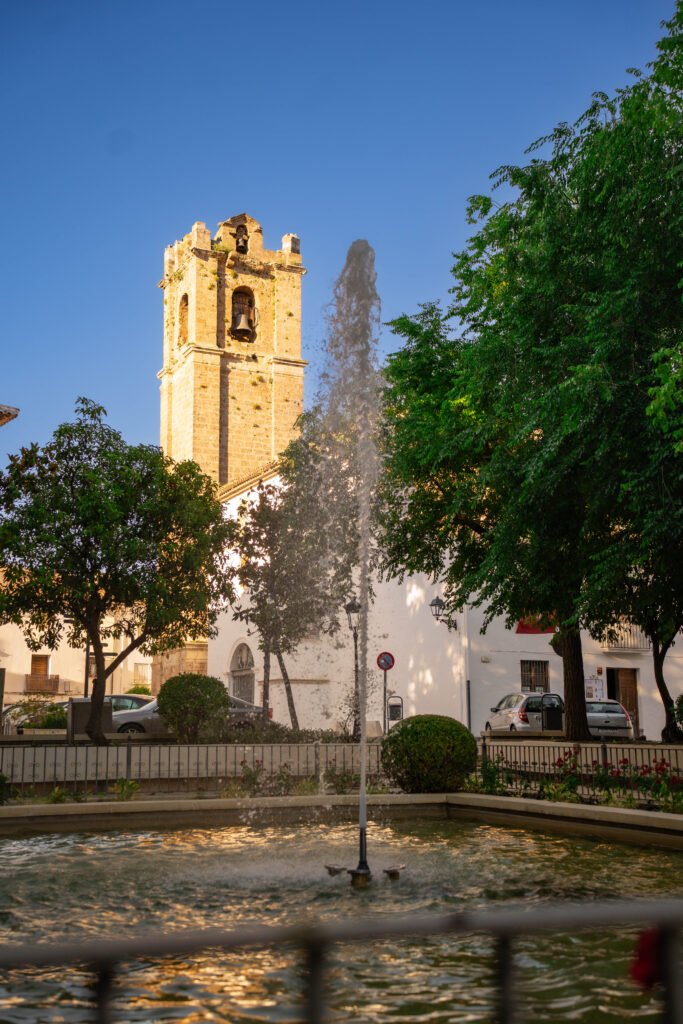


The Church of Nuestra Señora de la Asunción
Overview
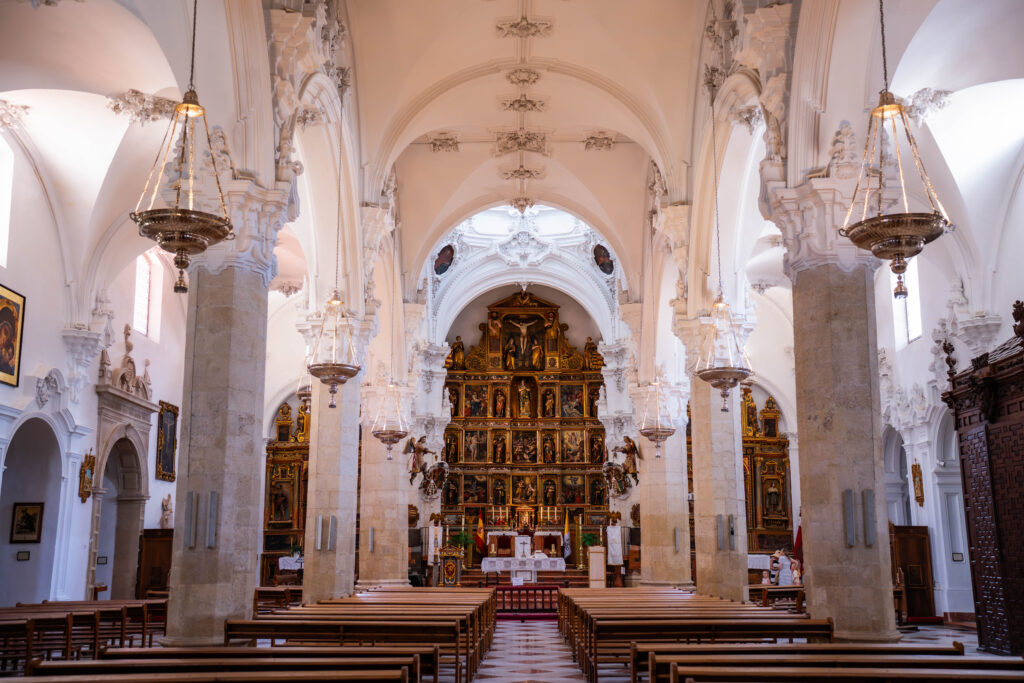
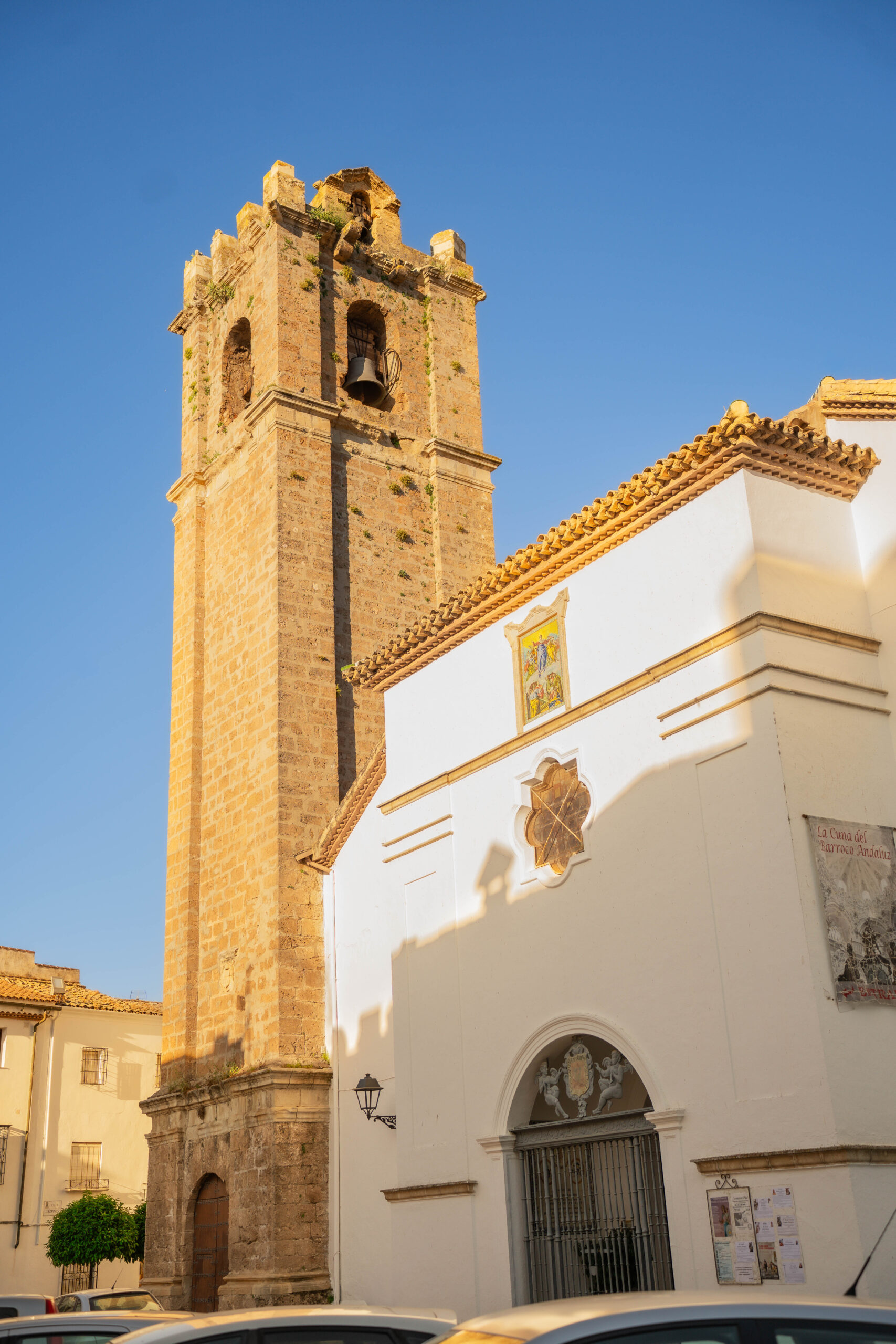
The building of this church dedicated to the Assumption of the Virgin began in 1525, on the instructions of the Marquess of Priego: its design was gothic and mudéjar – combining Christian and Moorish styles – with three naves and pointed arches on octagonal pillars with a mudéjar roof. Some of the early decoration still exists below the eighteenth century baroque vaulting.
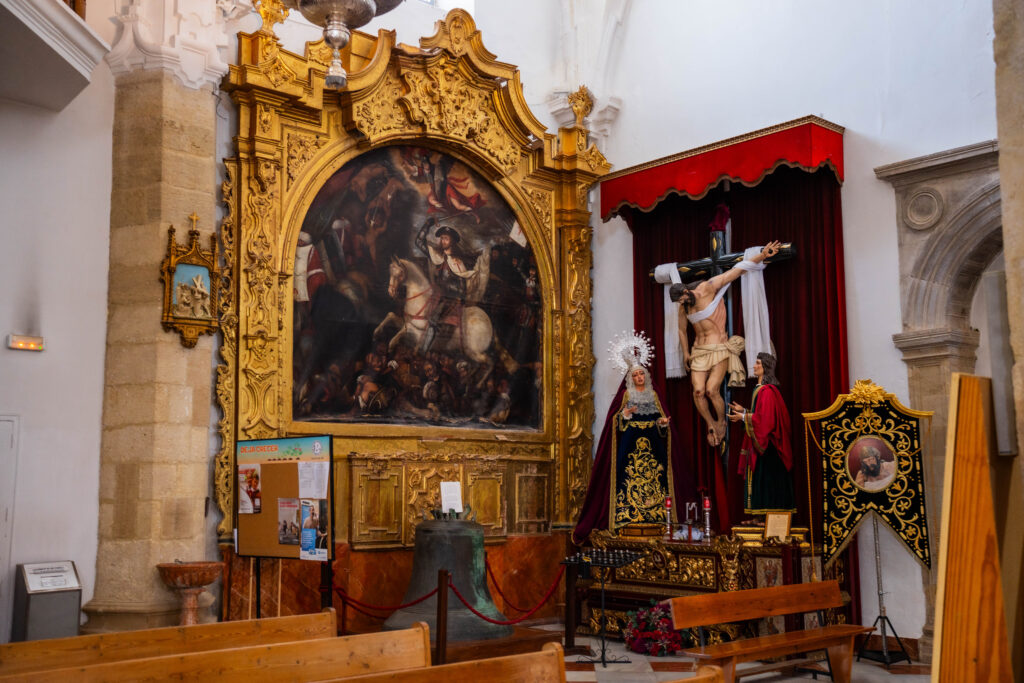
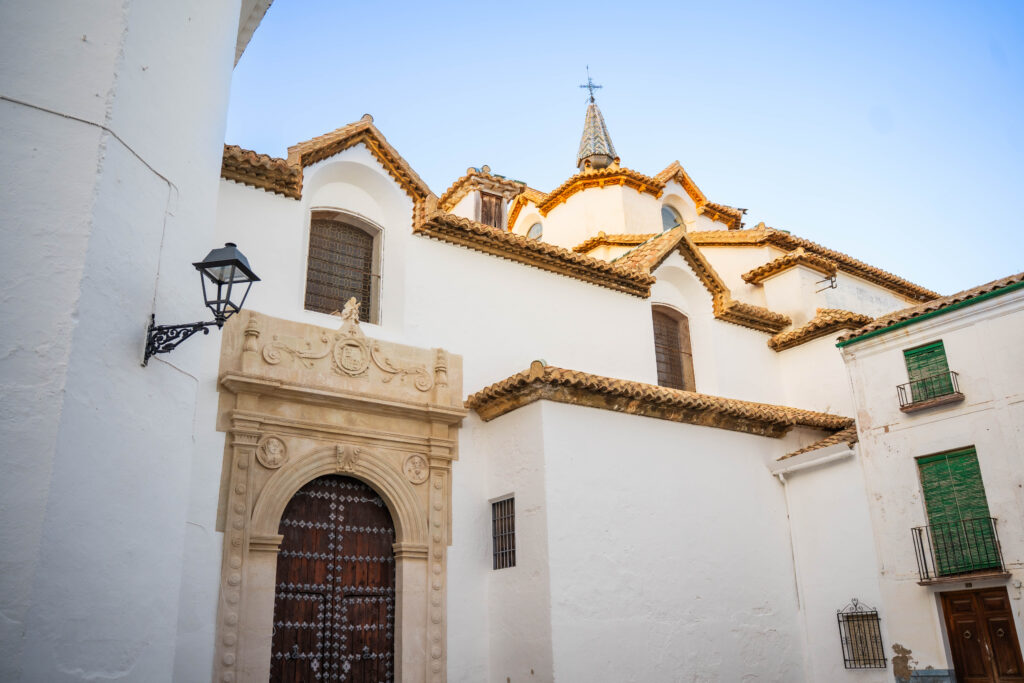
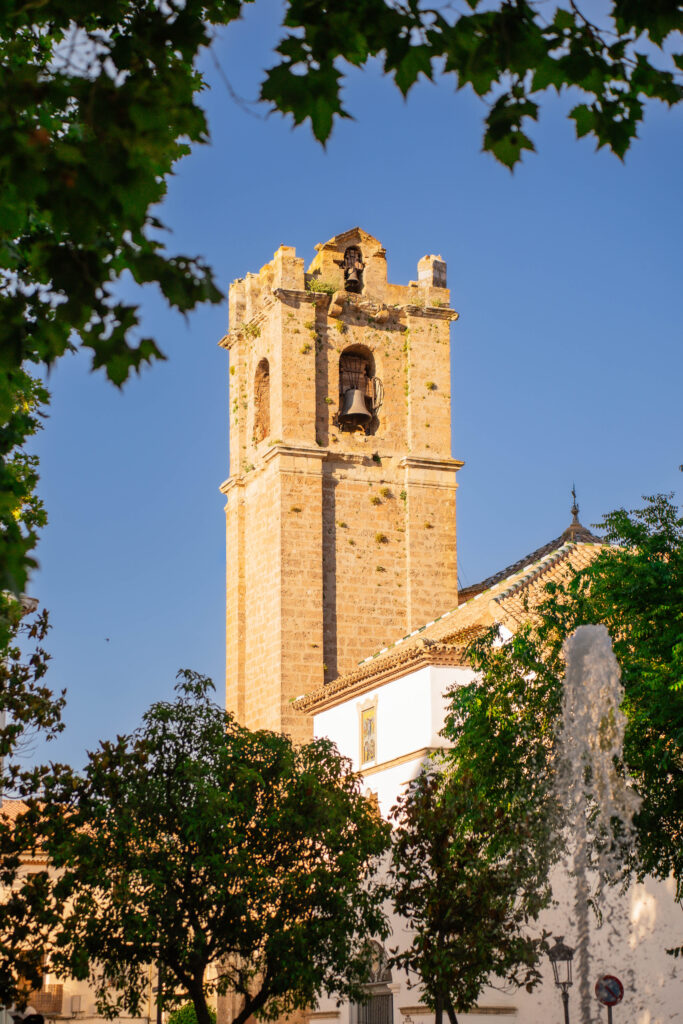
The door of Santa Ana, with its intricate Plateresque design, is attributed to Martin de Bolívar, a craftsman of the school of Siloé: the wrought ironwork of the main door dates from 1575, and the tower from 1541. The seventeenth century saw the building of several side chapels, such as the chapel of Christ Crucified, which was finished in 1636; the figure of Christ is attributed to Alonso de Mena, around 1635.
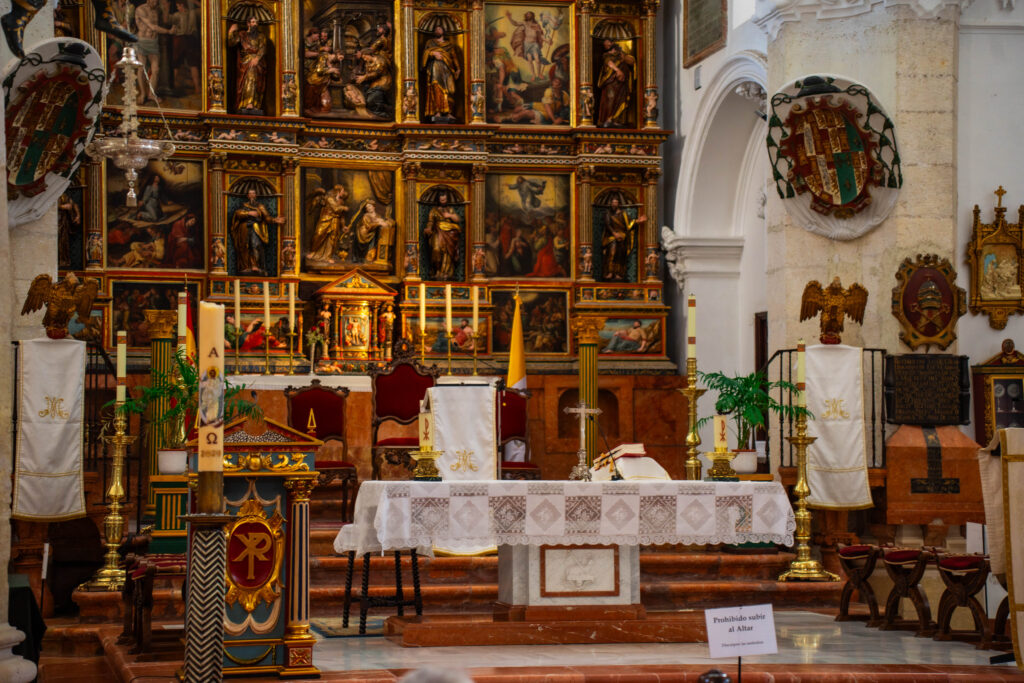
It is especially worth noting the main altarpiece, which dates from the late Renaissance. It is made up of a base, supporting three rows of paintings and carvings, topped by a niche – all of these in turn are further divided into vertical rows. It was finished in 1567: the paintings are by Pedro de Raxis and Ginés López, although of the altarpiece itself, nothing is known today about its authorship nor where it was made.
The church which we see now is the result of rebuilding carried out between 1743 and 1747, which concealed the old ceiling beams under crossed vaulting, and placed an oval cupola in front of the presbytery. The old Gothic arches were hidden beneath new rounded ones, with abundant plasterwork and mouldings, a triumphant work by the craftsman Jerónimo Sánchez de Rueda.
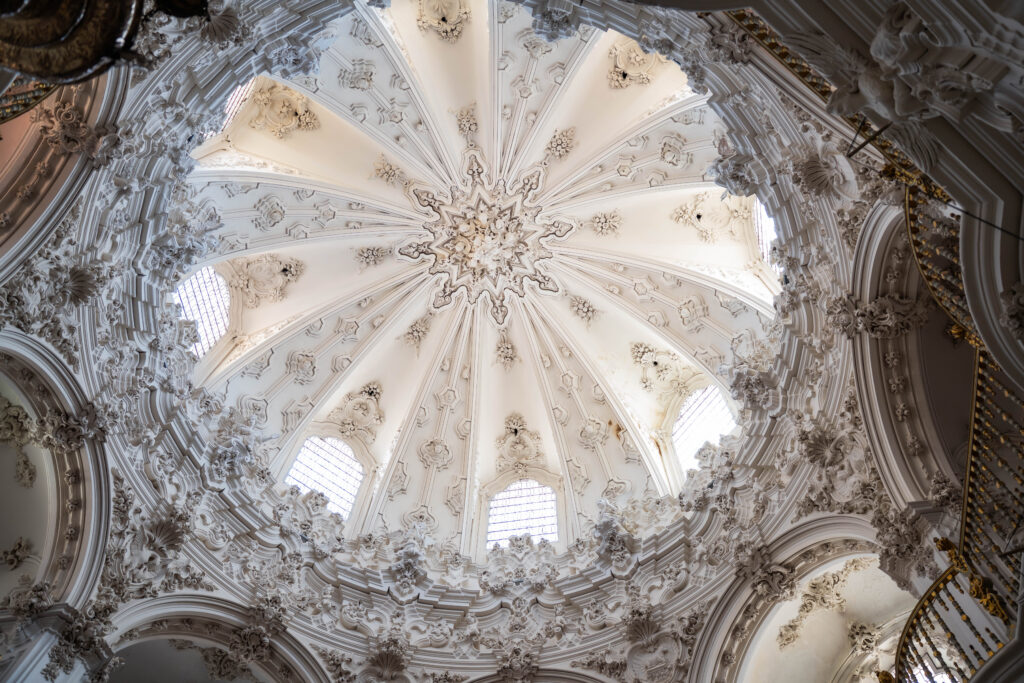
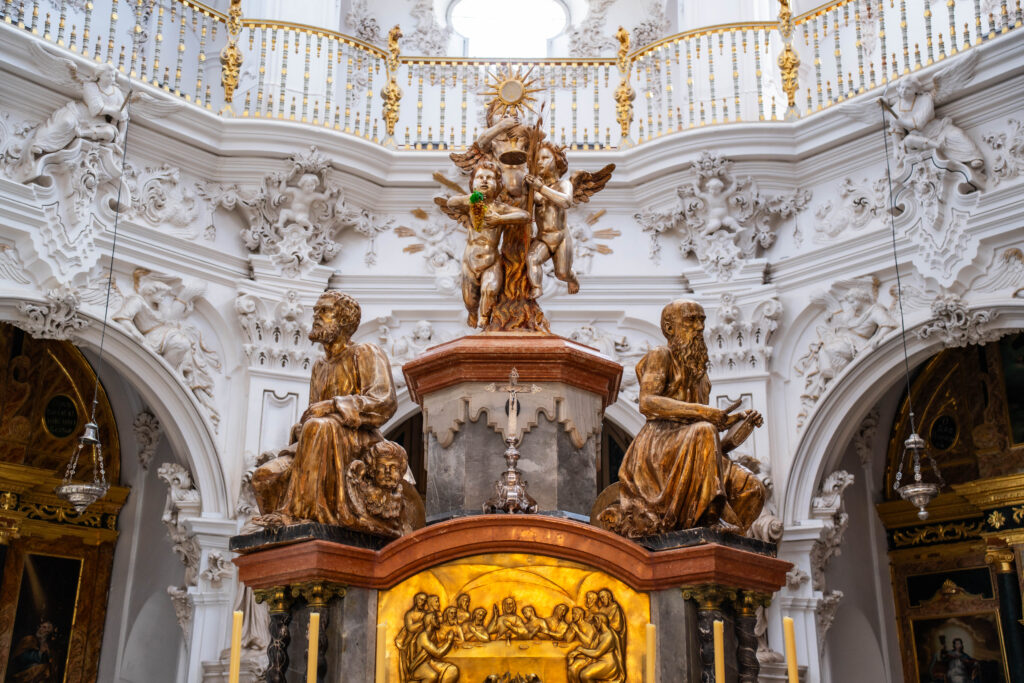
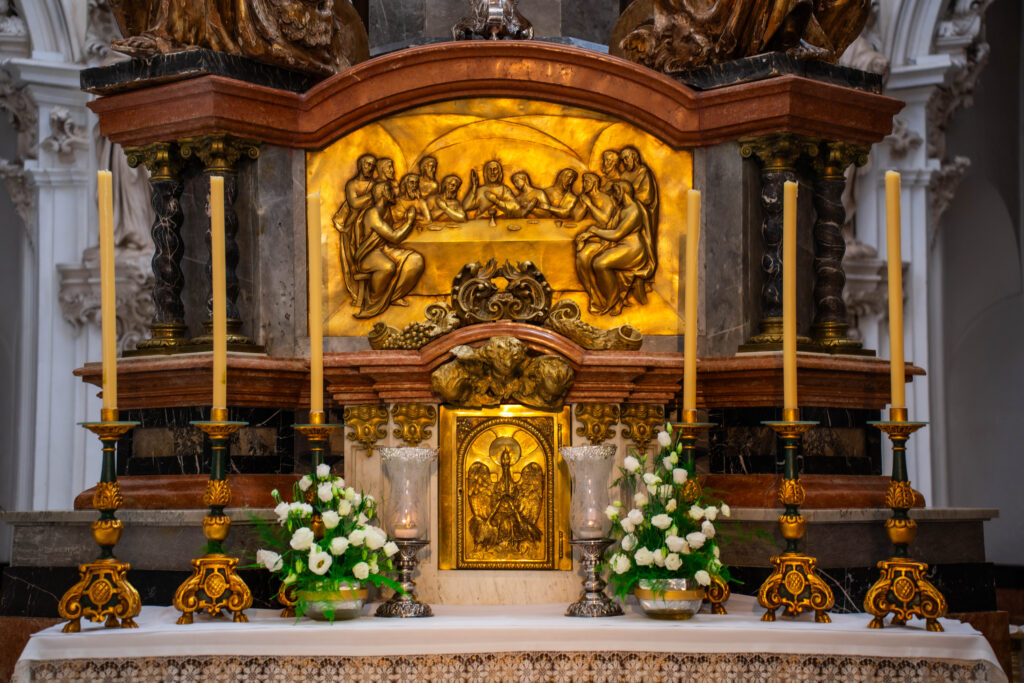
The sacristy, one of the masterpieces of Spanish baroque, was created between 1772 and 1784 by Francisco Javier Pedrajas, and has been a National Monument since 1932. We pass through a small square antechamber into the chapel itself, which is bordered by an octagonal aisle: above us is a gallery, culminating in a superb segmented dome, with eight large windows showering light over the innumerable exuberant mouldings and carvings. In the centre is a tabernacle by the sculptor José Garnelo, dating from 1921.
The church houses a museum with examples of the silversmith’s art, the oldest of which go back to the sixteenth century. Particularly fine are the portapaces – ceremonial staffs which bear holy images and icons — and the custodia, or the housing for the Sacrament, from 1589; also the altarware in enamelled gold, a gift from the archbishop and viceroy Caballero y Góngora in 1794.
José Álvarez Cubero en Priego de Córdoba : https://onx.la/30df0
José Álvarez Cubero en Europa : https://onx.la/0d425
Key details of the place
Styles and artistic language
- Baroque
Related artists
- Jerónimo Sánchez Rueda
- Francisco Javier Pedrajas
Gallery