

The Church of San Francisco
Overview
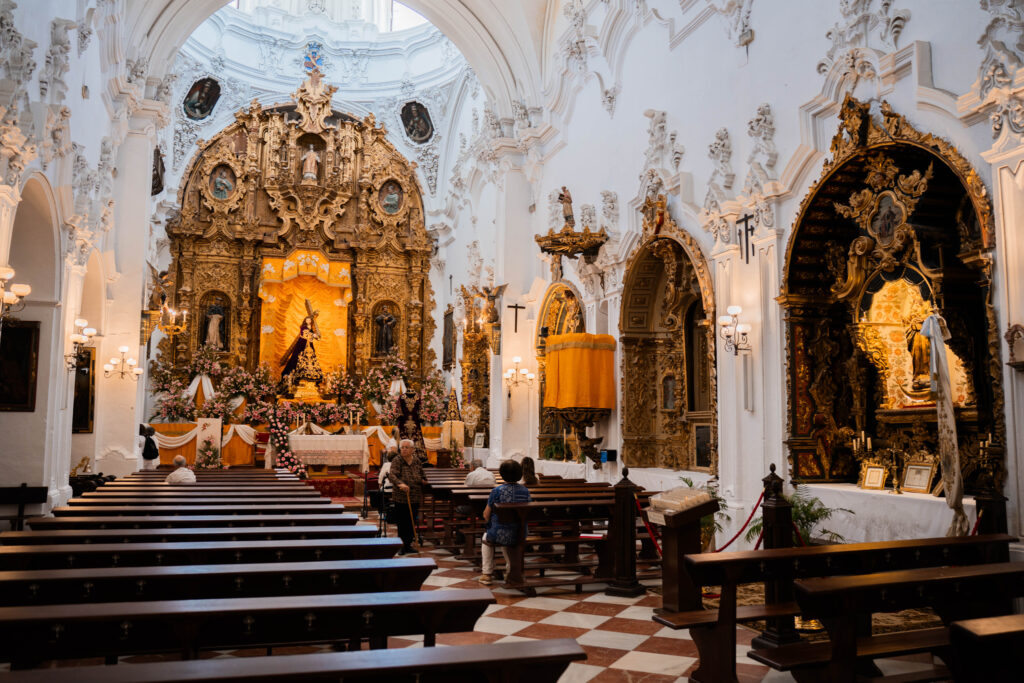
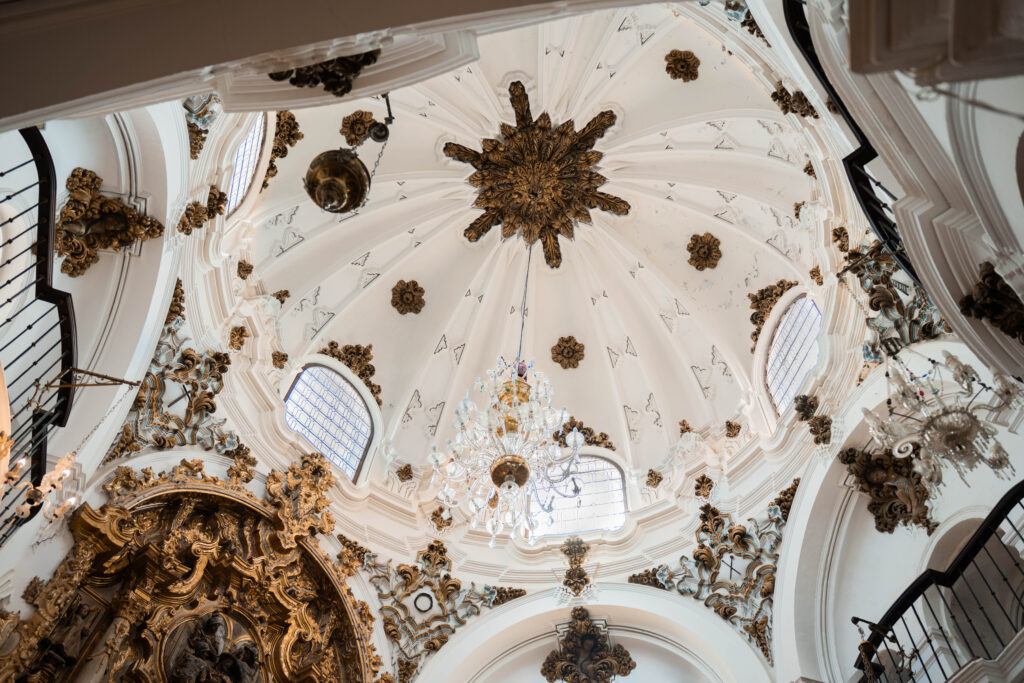
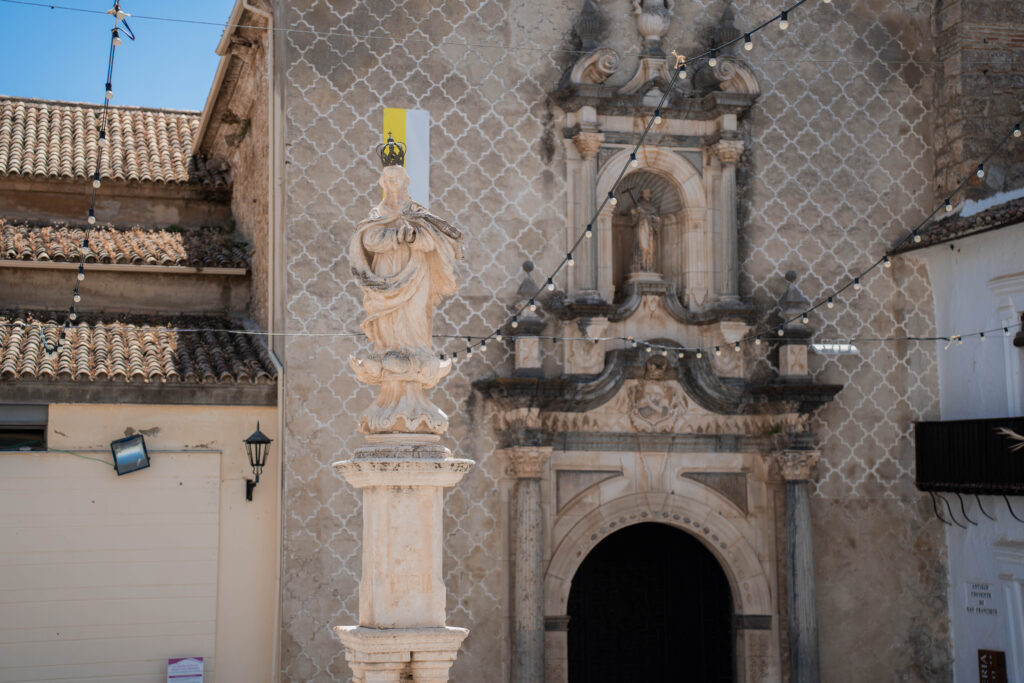
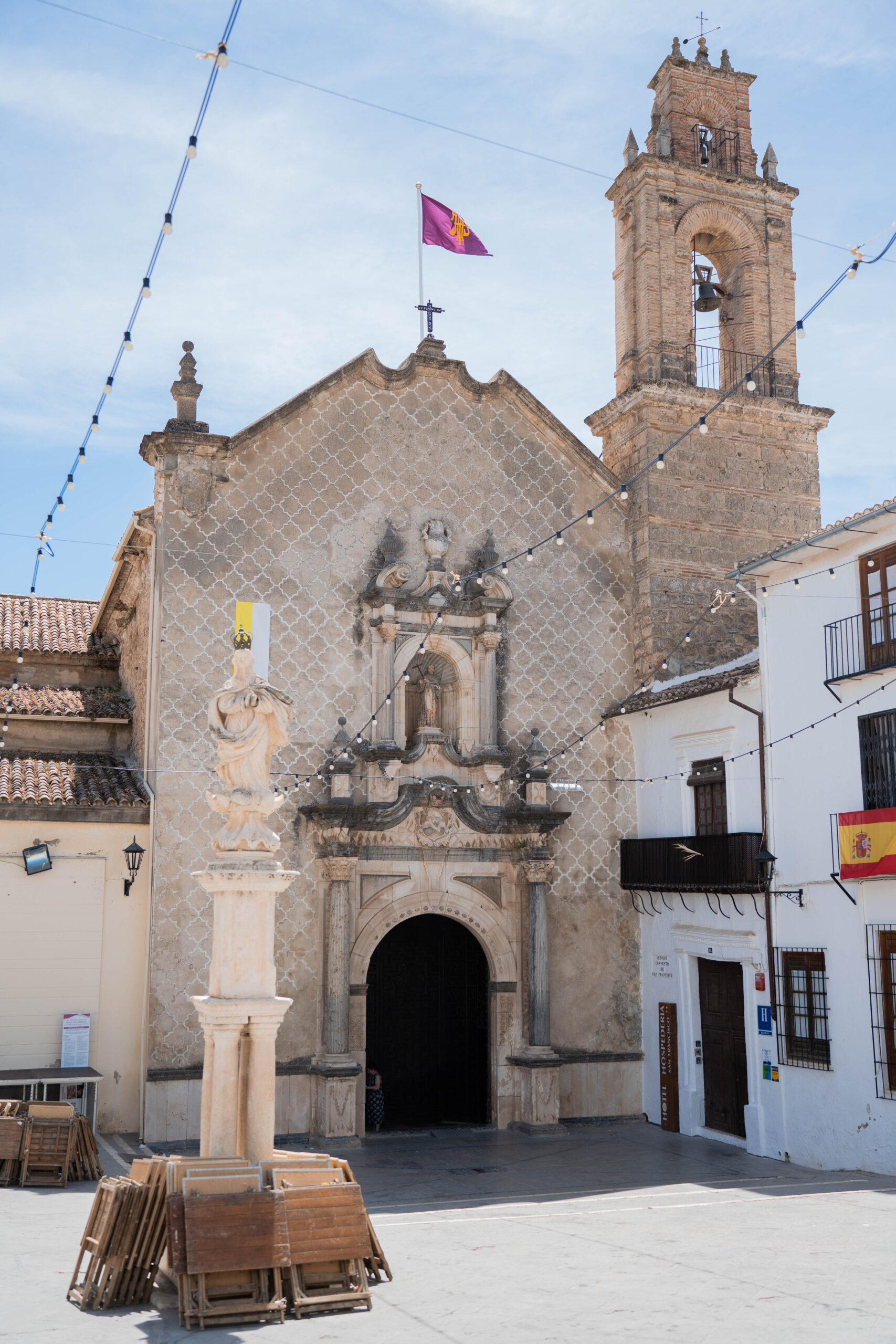
The building of this church began around 1510, under the auspices of Don Pedro Fernández de Córdoba, the first Marquis of Priego, and was not finished until 1548. It is of late gothic or mudéjar construction, rebuilt in the eighteenth century in a baroque style by Jerónimo Sánchez de Rueda, and later Juan de Dios Santaella; practically all that remains of the original is the central footprint of the nave. Rebuilding began in 1712, with the idea of reproducing the style of the church of La Asunción – cross-vaulted ceilings, segmented cupolas, and a profusion of baroque plasterwork.
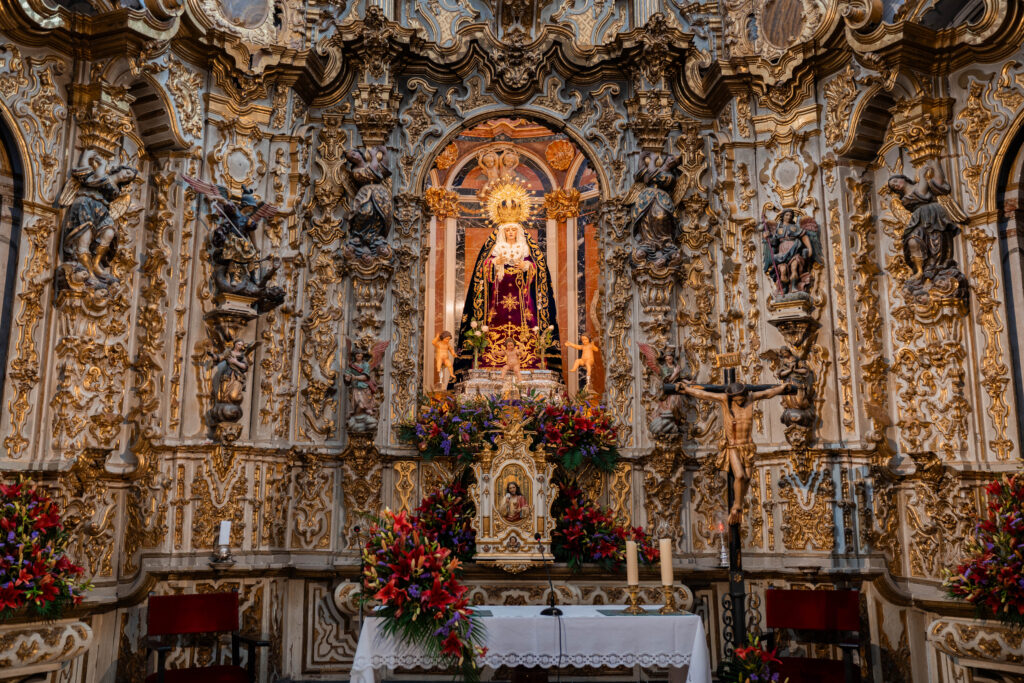
The altarpiece, by Juan de Dios Santaella, was finished in 1781: it is made up of a base, and a central part housing alcoves with Franciscan images: in the centre is a shrine to the Virgin, with a carving of Our Lady believed to be by the school of José de Mora. The altarpiece is crowned by a niche with the figure of Saint Stephen, embellished by carving of distinct rococo style.
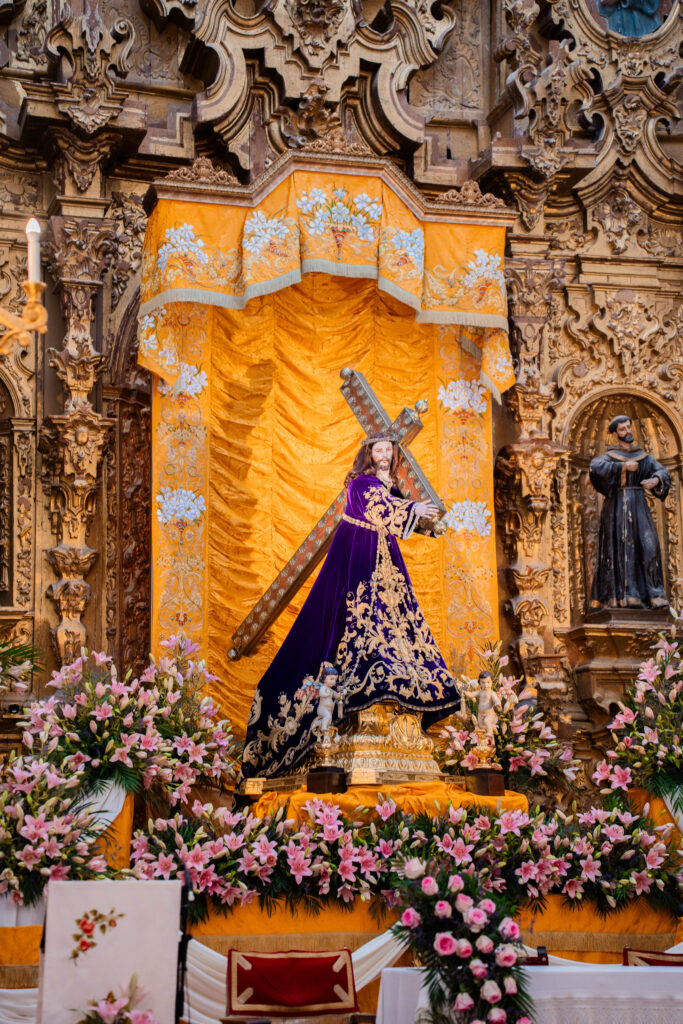
The chapel of Jesus of Nazareth is one of the jewels of Priego’s baroque heritage, begun in 1731 by Jerónimo Sánchez de Rueda and Juan de Dios Santaella. It is built on a hexagonal plan, with imposing alcoves rising through a balcony, to windows which flood the gilded plasterwork with light. The altarpiece was developed from the early chapel in several phases by Santaella around 1760; the second part was built in 1790 by Francisco Javier Pedrajas. Of particular interest is the central image representing the crown of thorns, thought to be the work of Remigio de Mármol. The central niche, which is octagonal in form, with a segmented cupola and windows, was built by Pedrajas in 1788. The chapel was rebuilt once again in 1928 by the sculptor Garnelo, who used marble cladding, sculptures, and bas-reliefs, to such an extent, that only the decoration of the cupola remains of the original scheme. The chapel houses the figure of Jesus of Nazareth, attributed to the Granadan craftsman Pablo de Rojas in 1592. It is carved in complete detail: the robes date from the eighteenth century, when the figure was also given a wig of human hair to enhance its lifelike appearance. On either side can be seen the alcoves of Our Lady of Sorrow and Saint John the Evangelist, carvings by the school of Pablo de Rojas from around 1600. There are also two pieces by José Risueño, of Saint John the Baptist and Jesus as children.
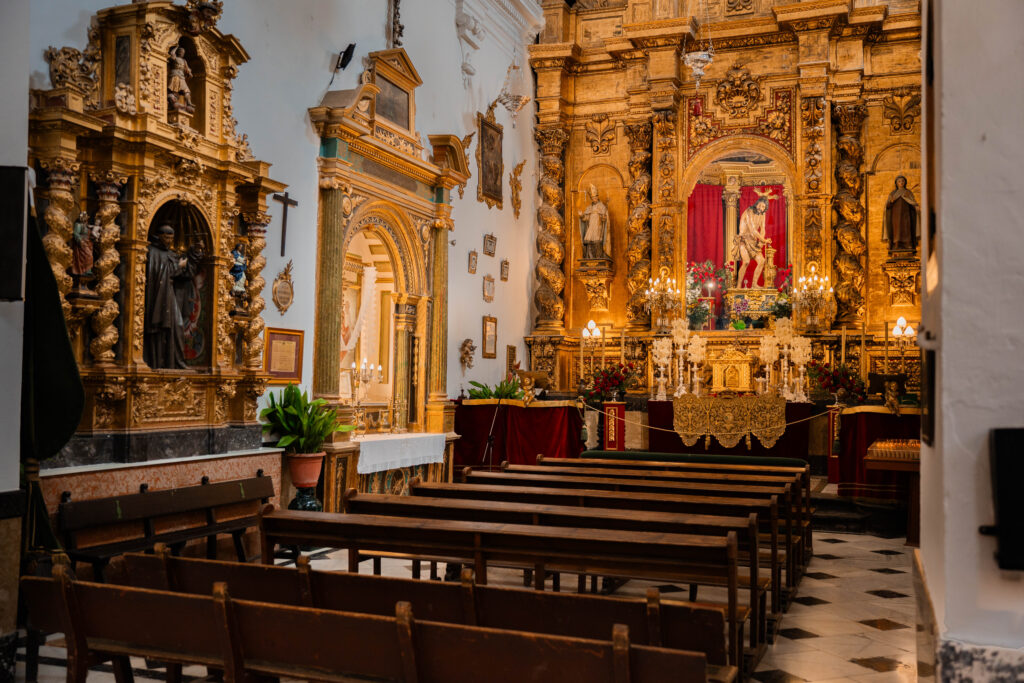
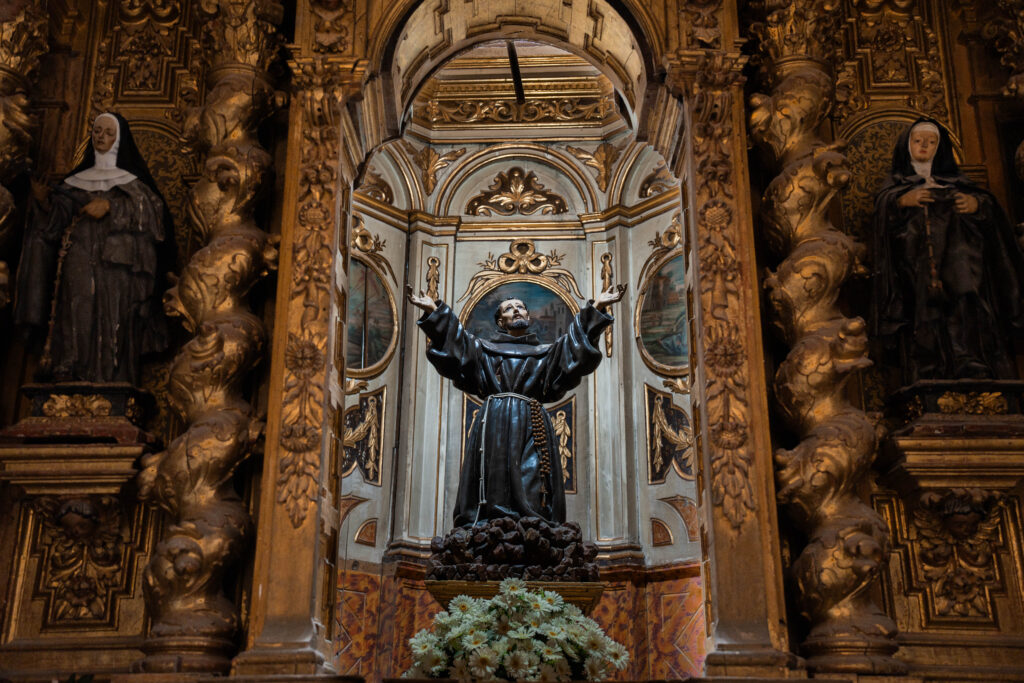
The chapel of the Scourging of Jesus, which was finished in 1679, is rectangular in shape with an arched ceiling. It once had an altarpiece dating from the beginning of the eighteenth century, attributed to Sánchez de Rueda: this was replaced later by a neoclassical design, until in 1942, a baroque model was built, inspired by a smaller altarpiece in the same chapel dedicated to Saint Francis. The centrepiece is the figure of the Scourging of Jesus, attributed to Alonso de Mena, from around 1640, and there are a number of other important works, such as José de Mora’s San Francisco Solana, and others thought to be by José Risueño
Key details of the place
Styles and artistic language
- Baroque
Related artists
- Jerónimo Sánchez de Rueda
- Juan de Dios Santaella
Gallery