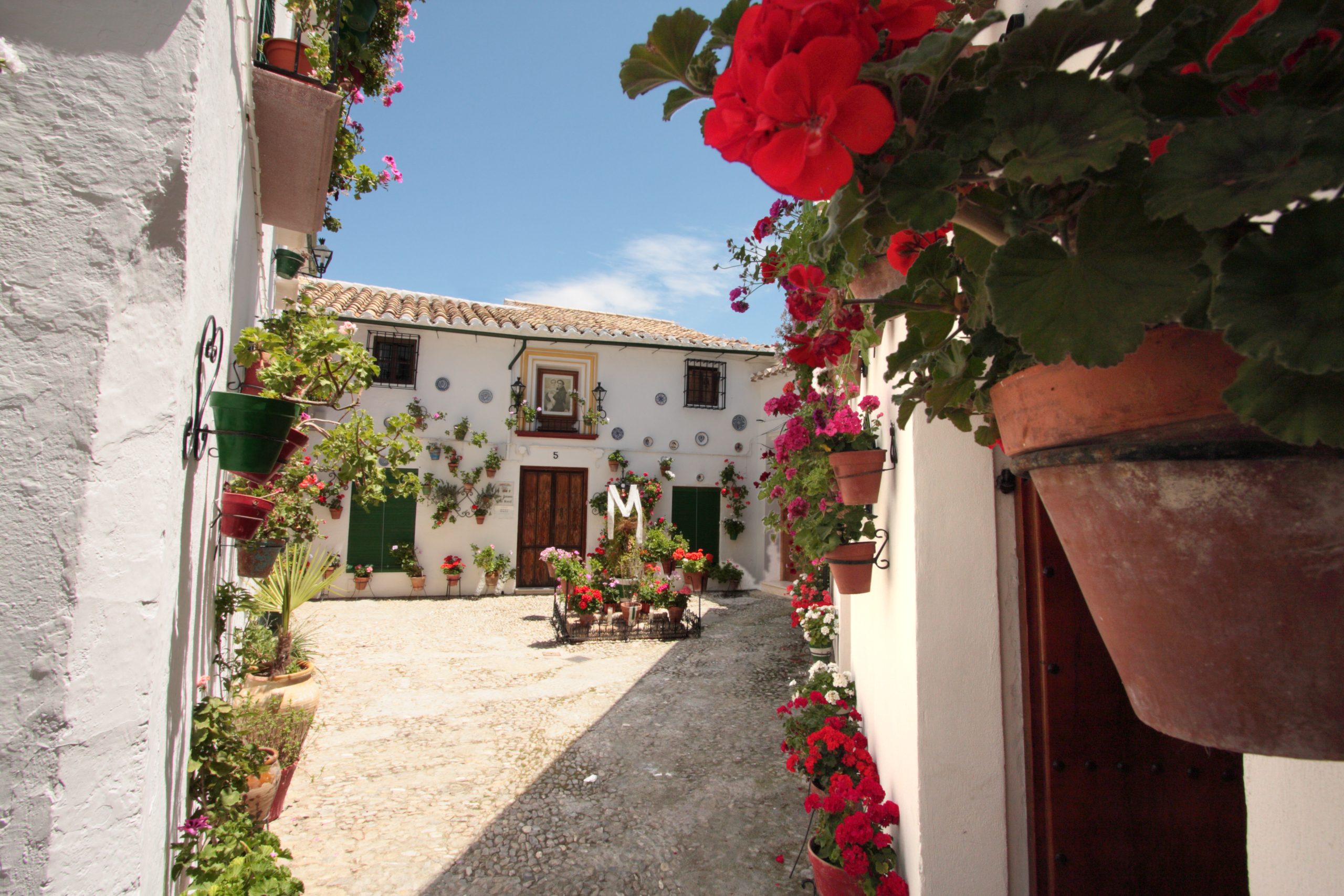
Priego de Córdoba is a city built upon centuries of memory. Its streets, temples, neighborhoods, and viewpoints preserve the traces of the cultures that inhabited this land and—over the course of time—shaped one of the most distinctive towns in the Subbética region of Córdoba.
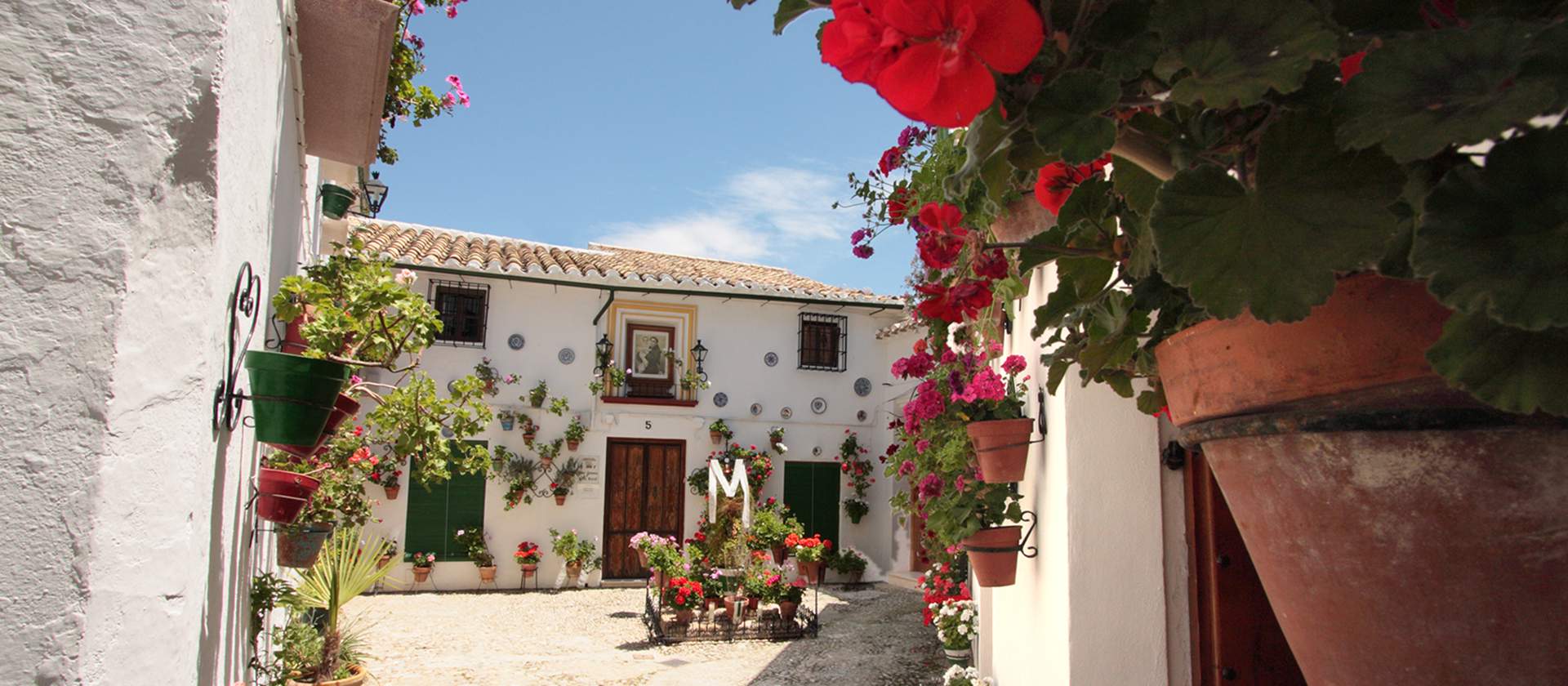
From early prehistoric settlements to the splendor of the Baroque era, Priego has served as a place of passage, a frontier, a refuge, an agricultural hub, a center for craftsmanship, and a monumental city. Its history is understood not merely through dates and names, but also through its spaces: the Barrio de la Villa, the castle, the churches, the stately homes, the fountains, the artisan workshops, and those corners where traditional life can still be felt.
Early Settlers
The municipality of Priego preserves evidence of human occupation dating back to ancient times. Archaeological findings document a continuous presence in the area spanning millennia, with remains linked to the Paleolithic, Neolithic, and Metal Ages, as well as to Antiquity and the Middle Ages.
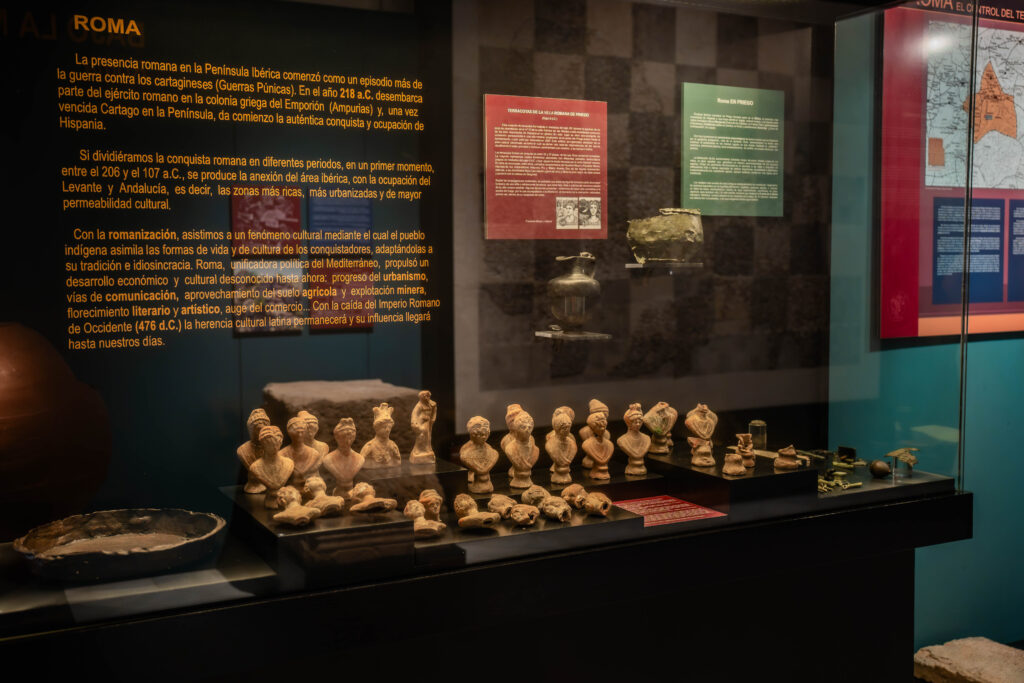
The Municipal Historical Museum houses a significant collection illustrating this evolution, featuring artifacts that shed light on the territory’s importance within the cultural context of the Mediterranean. Notable sites include El Pirulejo—located near the Barrio de la Villa—as well as various caves and fortified hilltop settlements that help reconstruct the earliest stages of habitation.
The oldest documented human occupation within the town itself is found at El Palenque, dating to around 4000 BC. This evidence confirms that the site where the city stands today was already inhabited during the Neolithic period.
Roman Priego
During the Roman period, Priego was part of a heavily Romanized region. Remains of a Roman villa have been identified within the current town center—specifically near the Plaza de la Constitución—comprising residential areas, zones dedicated to agricultural activities, and an associated necropolis.
In addition to this urban center, the municipality preserves numerous Roman-era archaeological sites, underscoring the area’s agricultural and territorial importance. These remains provide insight into the continuity of settlement prior to the formation of the medieval town.
Medina Baguh and the Andalusi Legacy
The direct origins of the present-day city are linked to the Andalusi period. A military settlement established in the mid-8th century evolved into a *medina*. Known as Medina Baguh, Priego came to play a significant role within Muslim territory.
During this era, the city experienced periods of prosperity, attaining notable importance under Almohad rule between the 12th and 13th centuries. The irregular layout of some streets—particularly in the Barrio de la Villa—still preserves the legacy of that Andalusi heritage.
The Marquisate
With the creation of the Marquessate of Priego in 1501, the town entered a phase of urban, political, and religious consolidation. During this period, civic and religious buildings were erected that reinforced Priego’s role within the region.
1501
The Catholic Monarchs appoint Pedro Fernández de Córdoba as the first Marquis of Priego.
New Civil Buildings
Structures such as the Town Hall, the Jail, the Public Granary, and the Butcher Shops are built.
Religious Heritage
Buildings such as the Hermitage of San Nicasio (now the Church of Nuestra Señora de la Aurora) and the Church of San Esteban (now the Church of San Francisco) were commissioned.
Baroque Splendor
Between the 17th and 18th centuries, Priego experienced a period of economic growth linked to the textile industry—particularly the production of taffeta and velvet, as well as the silk trade. This boom fostered a profound artistic transformation that established the city as a major center of the Cordoban Baroque.
Tabernacle of the Assumption
One of the great gems of the Priego Baroque, featuring exceptionally rich ornamental decoration.
Chapel of Jesus the Nazarene
A site of great popular devotion and one of the most representative interiors of the local religious heritage.
Church of the Aurora
An outstanding example of Baroque plasterwork and the artistic prowess achieved by the workshops of Priego.
From the 19th Century to present-day Priego
The 19th and 20th centuries brought profound changes to Priego. The city underwent political, economic, and social transformations, yet maintained an identity deeply rooted in its heritage, agriculture, traditional crafts, and cultural life.
A period of change
Priego faces economic crises, political transformations, and social changes that alter local life.
19th century
A period of change
Priego faces economic crises, political transformations, and social changes that alter local life.
Priego receives the title of City.
Alfonso XII grants Priego the title of City in recognition of its growth and importance.
1881
Priego receives the title of City.
Alfonso XII grants Priego the title of City in recognition of its growth and importance.
Agriculture and industry
The textile industry, agriculture, and local commerce play a prominent role in the city's economic evolution.
20th century
Agriculture and industry
The textile industry, agriculture, and local commerce play a prominent role in the city's economic evolution.
A renewed identity
Today, Priego projects itself through its Baroque heritage, its extra virgin olive oil, its festivals, its gastronomy, and its natural surroundings.
Present day
A renewed identity
Today, Priego projects itself through its Baroque heritage, its extra virgin olive oil, its festivals, its gastronomy, and its natural surroundings.
Figures who left their mark
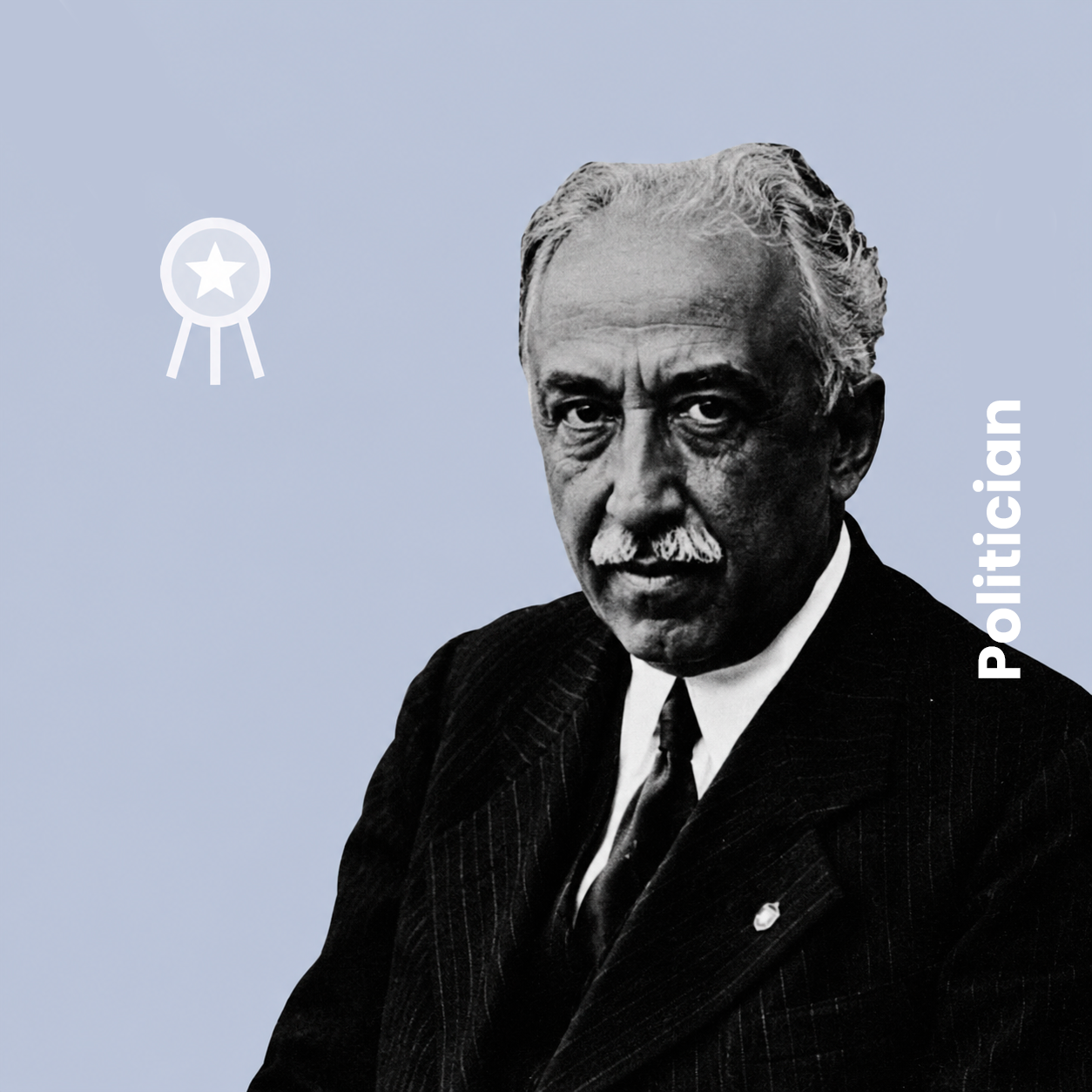
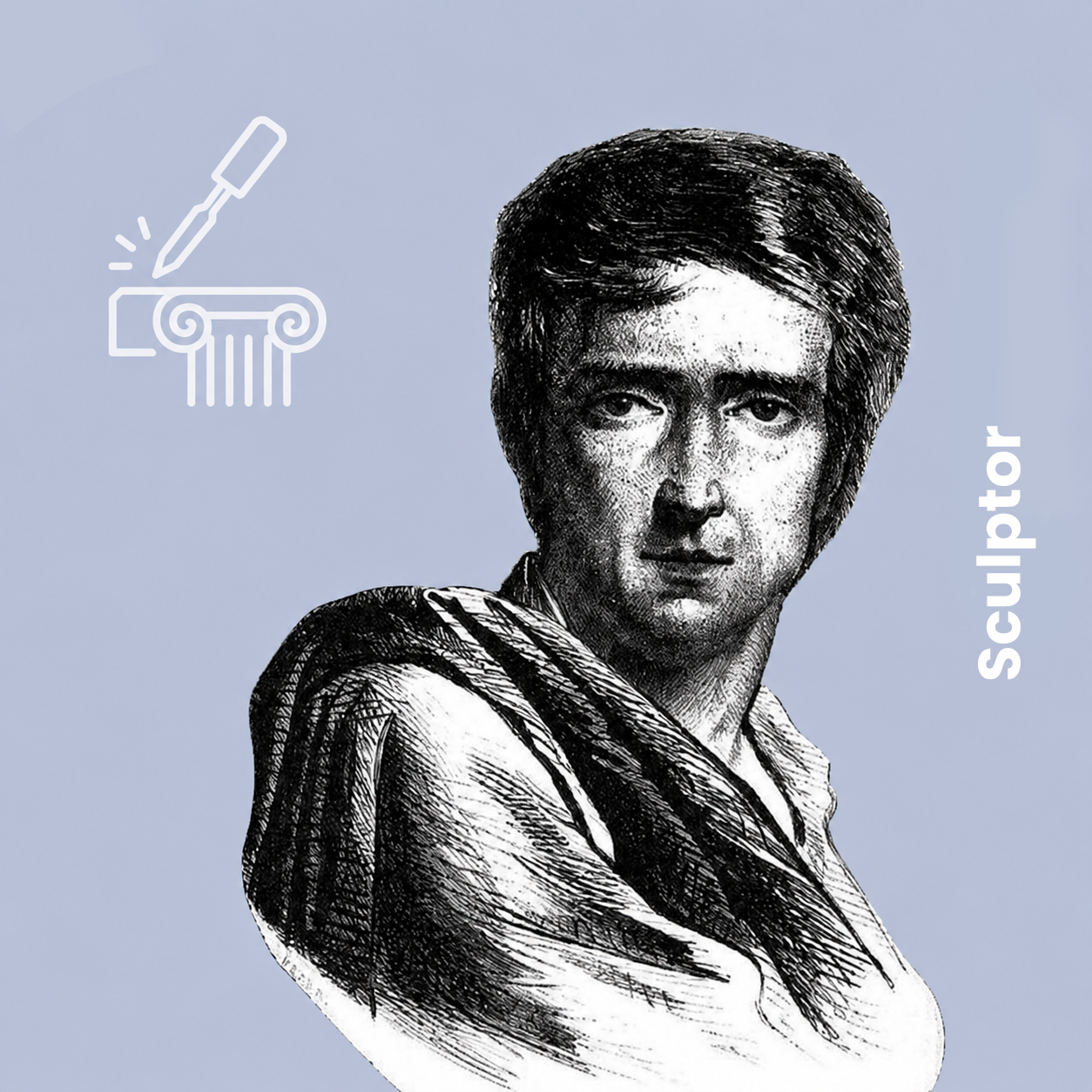
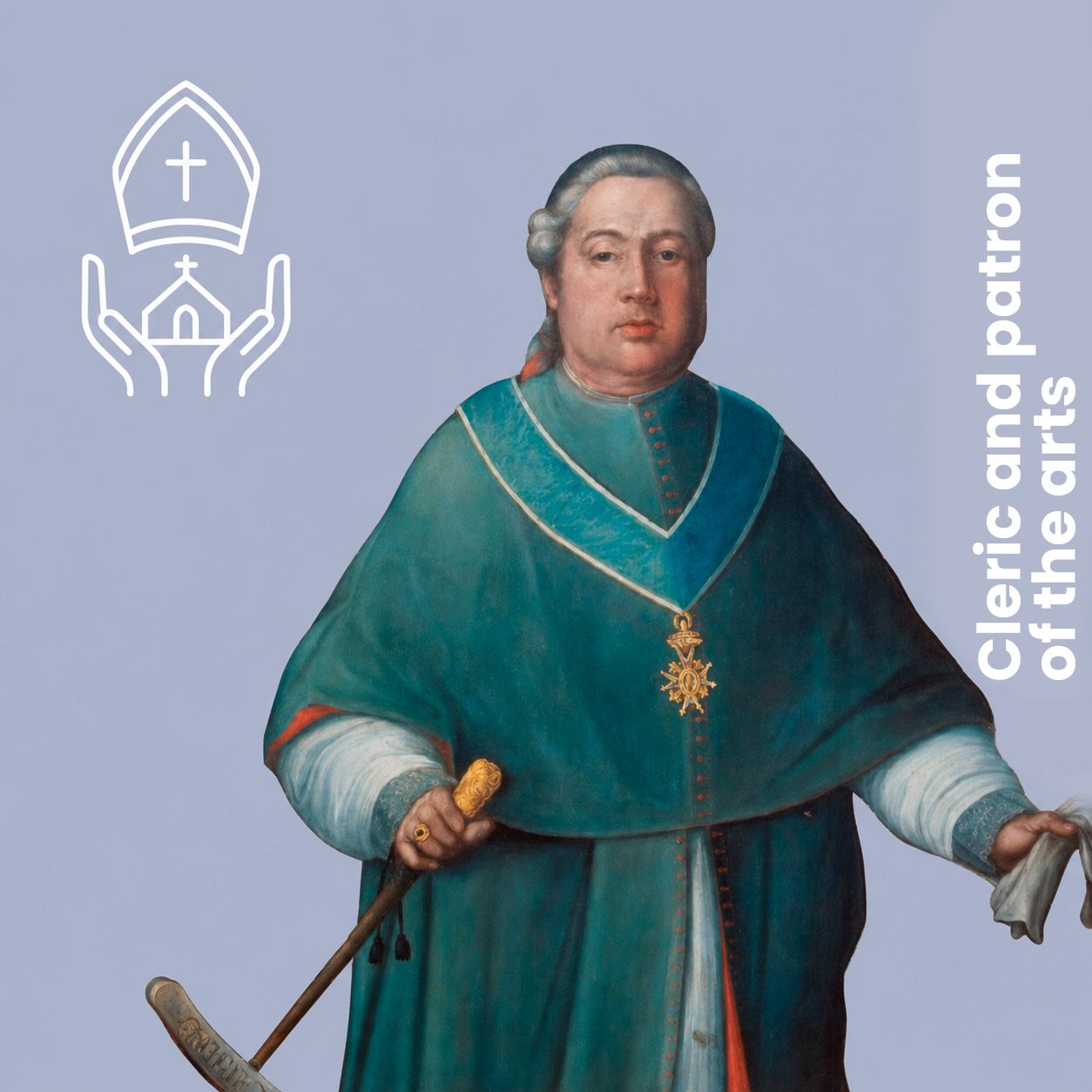
Priego de Córdoba has been the birthplace of prominent figures in politics, art, architecture, sculpture, religion, and culture. Their careers help us understand the city’s historical significance beyond its own territory.
To provide the best experiences, we use technologies like cookies to store and/or access device information. Consenting to these technologies will allow us to process data such as browsing behaviour or unique IDs on this site. Not consenting or withdrawing consent may adversely affect certain features and functions.
Functional
Always active
The technical storage or access is strictly necessary for the legitimate purpose of enabling the use of a specific service explicitly requested by the subscriber or user, or for the sole purpose of carrying out the transmission of a communication over an electronic communications network.
Preferences
The technical storage or access is necessary for the legitimate purpose of storing preferences that are not requested by the subscriber or user.
Statistics
The technical storage or access that is used exclusively for statistical purposes.The technical storage or access that is used exclusively for anonymous statistical purposes. Without a subpoena, voluntary compliance on the part of your Internet Service Provider, or additional records from a third party, information stored or retrieved for this purpose alone cannot be used to identify you.
Marketing
The technical storage or access is required to create user profiles to send advertising, or to track the user on a website or across several websites for similar marketing purposes.