

El Pendón de los Zamorano
Overview
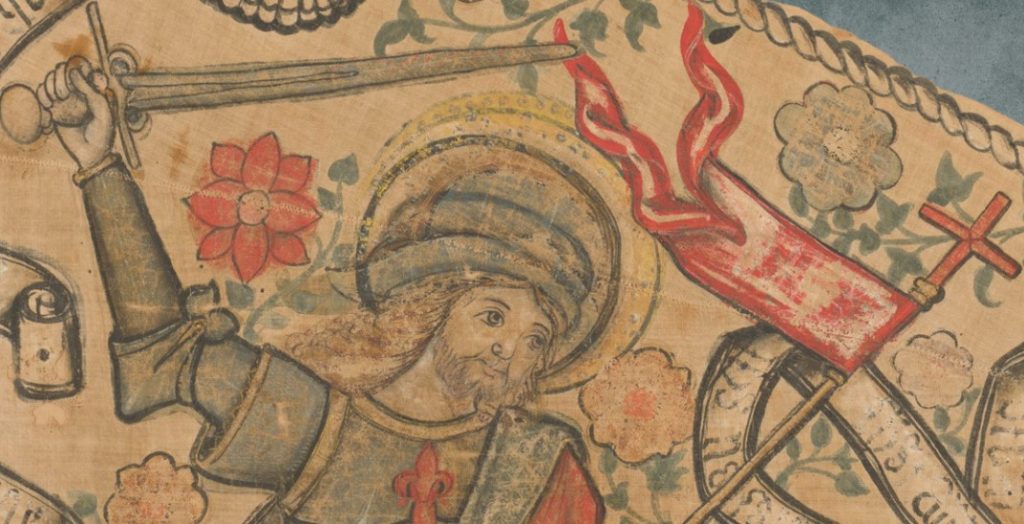
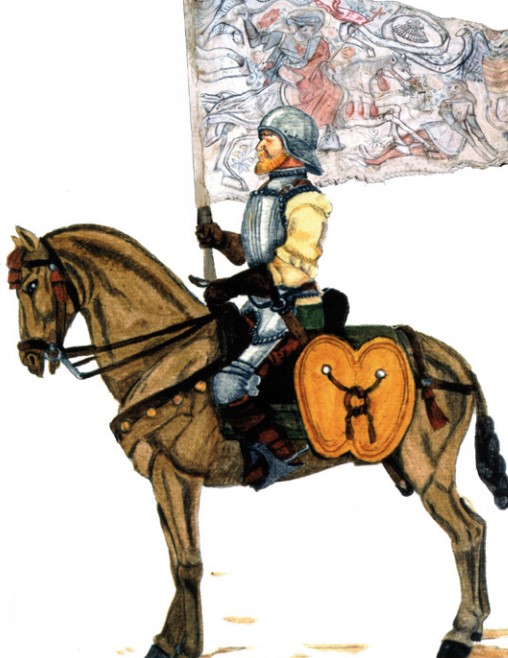
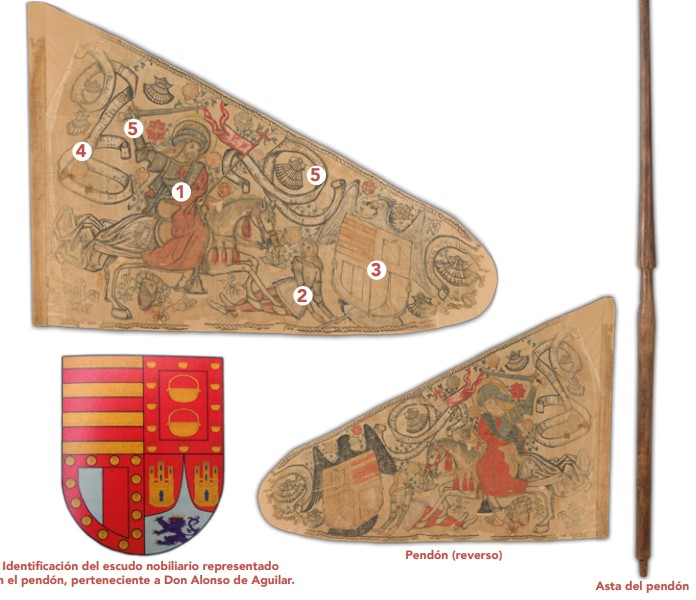
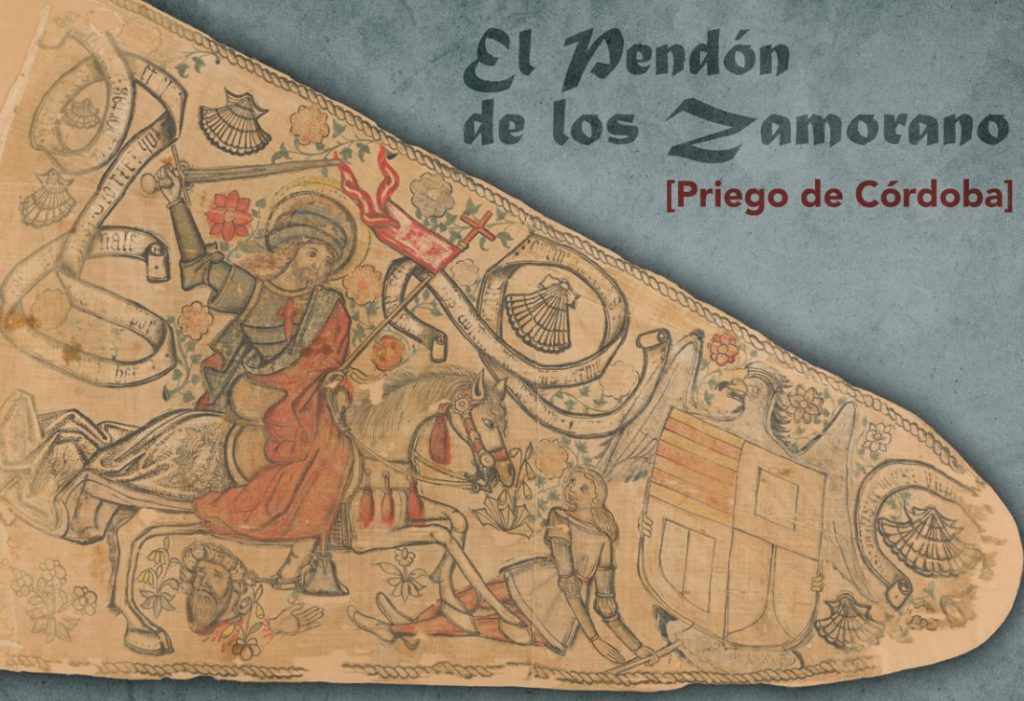
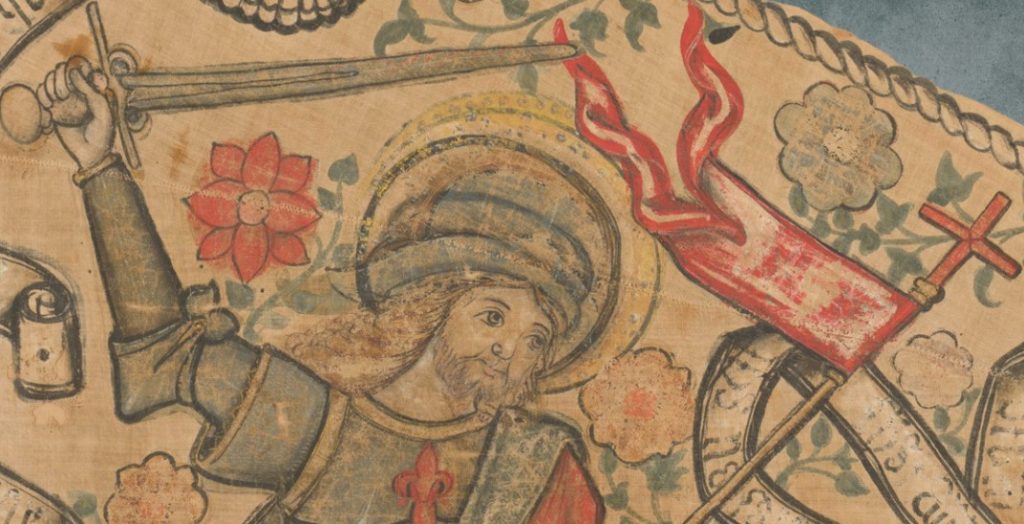
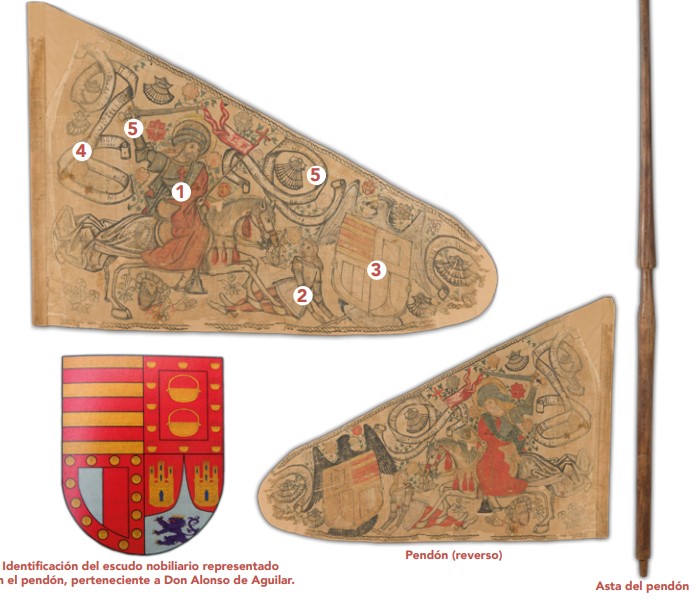
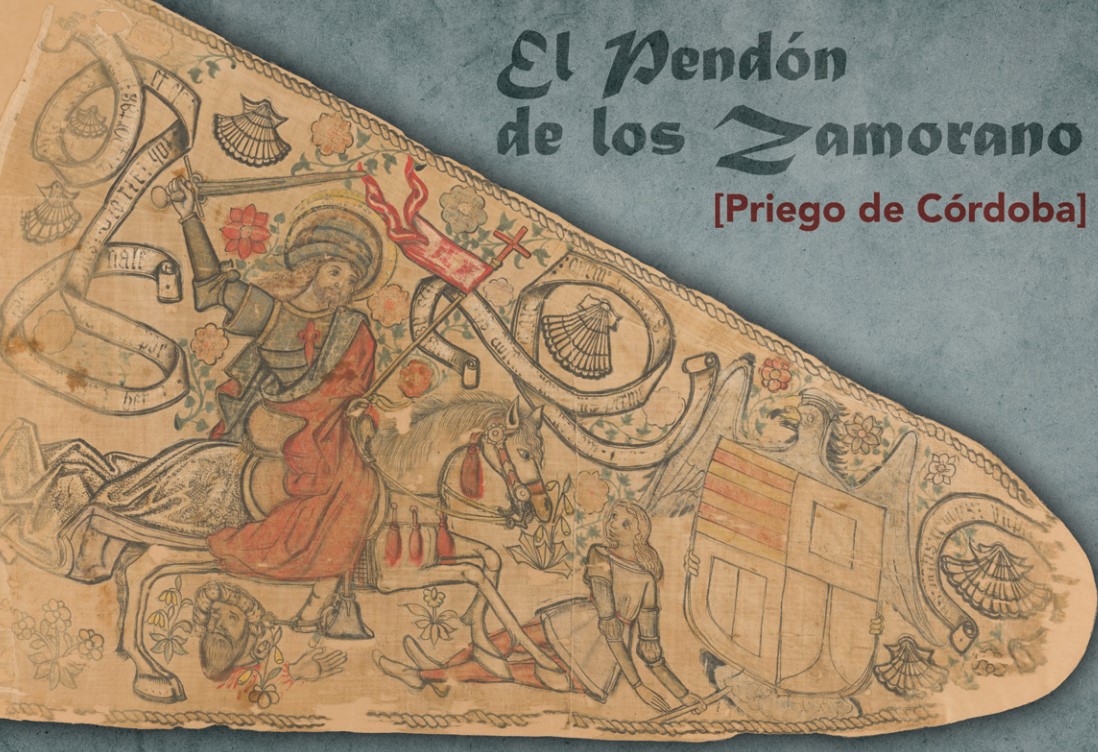
The Pendón de los Zamorano is a military banner created in 1501 and used during the Ancien Régime (16th–19th centuries) to lead the troops of Priego who took part in military actions as members of the Marquisate of Priego. It also had a civil and religious use, being waved during various celebrations and festivities such as those of the Apostle James (25 July) or Saint Nicasius (14 December), and it was a source of social prestige for the family that kept it.
The origin of the banner, however, belongs to a late medieval context that can be considered the epilogue of the War of Granada, which ended with the conquest of the Granadan capital in 1492. The terms of surrender agreed in the capitulations signed by the Catholic Monarchs and the Nasrid king Boabdil, among which religious tolerance stood out, were not respected, and as a result, between 1499 and 1501, there were various episodes of violent resistance on the part of the Muslim population affected.
One of these episodes of fighting took place in the Sierra Bermeja (Málaga) in March 1501, where the lord of the House of Aguilar, which included the lordship of Priego, Alfonso Fernández de Córdoba y Herrera (Don Alonso de Aguilar, brother of the Gran Capitán), was killed. That day he was accompanied by his son Pedro, the future 1st Marquis of Priego. The latter’s life was saved thanks to the intervention of Juan Martín Zamorano, a native of Priego, who received, among other favours, the privilege of being perpetual standard-bearer of the manorial militias of Priego, as well as a hereditary banner commemorating the event.
The banner was donated to the town by the Tisner-Madrid family in 2022 and restored at the Andalusian Institute of Historical Heritage (IAPH) of the Regional Ministry of Culture and Sport of the Junta de Andalucía in 2023
More information about the Pendón de los Zamorano here
and here too
Gallery